
Have you ever desired to visit the highest Shiva Temple in the world? If not yet, then you are definitely going to make up your mind after reading this blog.
The famous Tungnath Temple, an integral part of the Panch Kedar Shrines and one of the well-known pilgrimage sites in India, is an amazing place in itself. This Temple is not just a sacred site but also a paradise for devotees of Lord Shiva.
Visiting this ancient place feels like witnessing the divine energy of Mahadev’s presence. To feel this divine energy, millions of pilgrims visit here throughout the year.
If you are planning to visit this prominent temple in Uttarakhand, then you must check out our 4-day Tungnath Tour package for a smooth and comfortable journey.
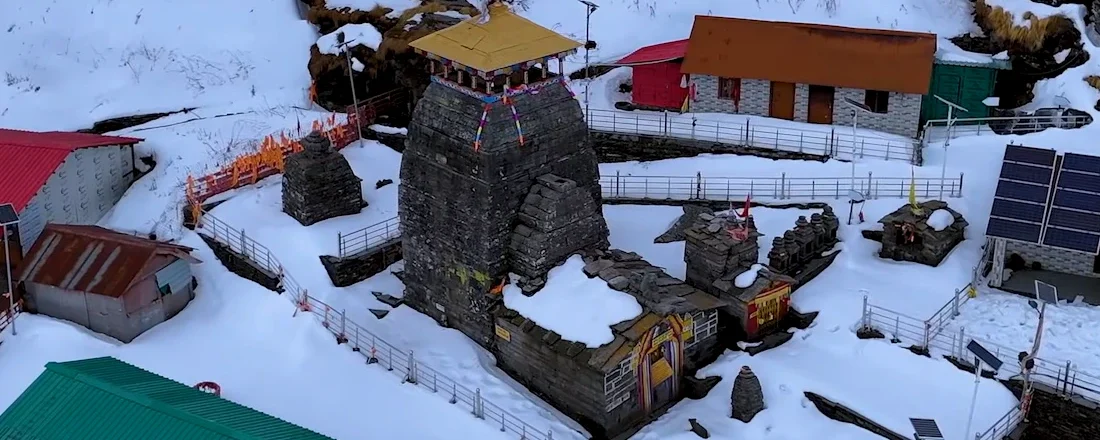
Tungnath Location & Height
The Tungnath Temple is located in the Rudraprayag district of Uttarakhand state of India. It is situated on Chandranath Parvat in the Garhwal Himalayan region at a height of 12,073 feet above sea level. Its location offers a scenic view of the Himalayas and the surrounding area.
- State: Uttarakhand, India
- District: Rudraprayag
- Region: Garhwal Himalaya
- Tungnath Altitude: 12,073 feet (3,680 meters)
- Highlights: Chopta Valley & Chandrashilla Peak
- Best Time: May to June & September to October
- Nearest Airport: Jolly Grant Airport, Dehradun
- Nearest Railway Station: Haridwar & Rishikesh Railway Station
What Is Tungnath Temple Famous For?
Tungnath Temple is famous as the world’s highest Shiva Temple and as part of the Panch Kedar Temples in Uttarakhand. The speciality of this temple is its Himalayan stone architecture and the mythological stories associated with it as the third Kedar, where the arms of Lord Shiva are worshipped.
The temple is also famous for its short trek from Chopta (Mini Switzerland of India), offering breathtaking views of the Himalayas, and a short extension above the temple takes you to the Chandrashila peak, making it a popular winter trek.
Also, there are many famous things to buy in Tungnath, such as Rudraksha Malas/Bracelet, prayer beads, religious souvenirs, spiritual items, fridge magnets, keychains, woollen clothes, gloves, handicrafts, and temple memorabilia.
Tungnath Temple History
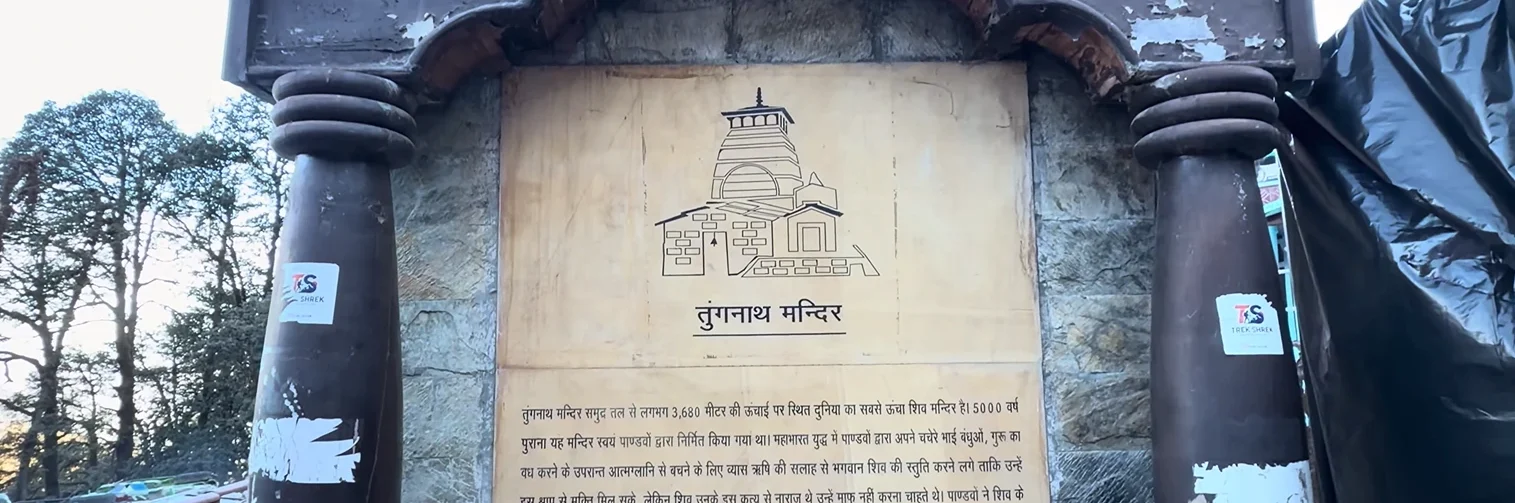
The history of Tungnath Temple holds that it was originally built by the Pandava brothers, over 5,000 years ago, to atone for their sins after the Mahabharata war. But the actual worship was officially established by the great sage and philosopher, Adi Shankaracharya Ji.
Locals connect its origin to the Mahabharata war, but scholars state that the temple is over 1,000-1,200 years old, as the present stone structure of the temple is thousands of years old and was restored between the 8th and 12th centuries.
It is one of the oldest surviving temples in the Garhwal Himalayan Region. Historians and architects believe that the traditional architecture, built in North Indian Himalayan style, made it stand even in Harsh calamities.
After the damage from harsh conditions during the Medieval Era, Raja Sudarshan Shah, the ruler of Tehri Garhwal, supervised a major reconstruction and structural rediscovery of the temple in the 19th Century.
Now, Tungnath Temple stands as a major symbol of devotion, history, and architectural heritage, keeping the centuries of spiritual traditions and beliefs in the Himalayas.
Mythology & Significance of Tungnath Temple
The mythological story behind Tungnath Temple is associated with great legends of the Mahabharata, with the Pandavas and Lord Shiva. After the war of Kurukshetra, the Pandavas were seeking atonement for their sins of killing their brothers and kinsmen during the war.
Lord Krishna and sage Ved Vyasa advised them to please Lord Shiva for the redemption of their misdeeds. But Mahadev did not want to greet them because of the disruption of the war, so he took the form of a bull (Nandi) and hid from them in the Himalayas.
So, when the Pandavas were dedicatedly searching for him in the Kedar region. Bhima, the strongest brother, recognised the bull as Lord Shiva and tried to grab the bull by its hump.
The bull began to merge with the earth and appeared at five different places in Uttarakhand, which are now known as the Panch Kedar. The (Tritya) third Kedar is Tungnath, where the arms of Lord Shiva appeared.
The other body parts appeared at:
Kedarnath Temple: Hump
Madhyamaheshwar Temple: Navel
Rudranath Temple: Face
Kalpeshwar Temple: Matted Hair (Jata)
This is how Tungnath became one of the most prominent shrines in India. Today, it holds great significance for its mythology and is worshipped gracefully as a divine shrine of Lord Shiva. The importance of Tungnath Temple is deeply rooted in its folklore and beliefs among pilgrims visiting here, continuing the spiritual tradition.
Note: Pilgrims often add this temple, along with their visit to Kedarnath, to our Kedarnath private tour package.
Facts About Tungnath Temple
Meaning of Temple Name: The name “Tungnath” is made with “Tung”, meaning High or Lofty, and “Nath” means Lord, which makes Tungnath “Lord of Peaks”, justifying its tag of the highest temple
Highest Shiva Temple: It is the highest temple of Lord Shiva in the world. Moreover, Tungnath is higher than Kedarnath (the highest among the 12 Jyotirlinga places in India).
Located Between Rivers: The temple stands between two river valleys. At the ridge that divides the watersheds of the Alaknanda and Mandakini river systems.
Arms’ Shrine: Inside Tungnath Temple, the shrine is not an ordinary one, but is dedicated to the Arms (Bahu) of Lord Shiva.
Meditation Spot of Rama: Just above the Tungnath Temple lies Chandrashilla Peak, believed to be the place where Lord Rama meditated after defeating Ravana.
Is Tungnath Temple a Jyotirlinga?
No, Tungnath is not a Jyotirlinga. It is a shrine dedicated to Lord Shiva, part of the Panch Kedar Shrines. Kedarnath is the only Jyotirlinga in Uttarakhand.
Tungnath Temple Darshan Timings
Here is the complete breakdown of Tungnath Temple timings throughout the day:
- Opening Time: 6:00 AM
- Morning Aarti: 6:00 AM – 7:00 AM
- Morning Darshan: 6:00 AM – 12:00 PM
- Afternoon Break: 12:00 PM – 3:00 PM
- Evening Darshan: 3:00 PM – 7:00 PM
- Evening Aarti: 6:30 PM – 7:00 PM
- Closing Time: 7:00 PM
The Tungnath Mahadev Mandir stays open from 6:00 AM to 7:00 PM daily for all devotees, with an afternoon break from 12:00 PM to 3:00 PM. The morning aarti occurs at 6:00 AM and continues till 7:00 AM, while the morning darshan time is 6:00 AM to 12:00 PM. After the afternoon break, evening darshan continues from 3:00 PM to 7:00 PM, and the evening aarti is performed from 6:30 to 7:00 PM.
Tips for travellers: Timings may vary with the change in weather, so check the weather and time before starting the journey. Also, start trekking early to see the sunrise and morning aarti.
Tungnath Opening & Closing Dates
The Tungnath Mahadev Temple is open only for six months, from May/April to late October/November and is closed the remaining months during winters, due to harsh weather conditions.
Tungnath Opening date for 2026 was scheduled for 2 May 2026 in the Brahma Muhurat (early morning) (official date by BKTC). Pilgrims can get darshan just after the kapat opening.
Closing date has not been announced yet, but the expected date is 5 November 2026, based on the previous year.
During the closing period of the temple, the deity of Tungnath Mahadev, known as Utsav Murti, is taken to its winter seat, Makkumath Temple, around 26 km away, with great pomp and show. The deity continues to be worshipped at its winter seat throughout the closing period.
Similarly, the utsav murti gets shifted back to the main temple from its winter seat during the Kapat opening ceremony after the winter closing period ends. The deity is taken back to Tungnath, with traditional rituals and chants.
Is Tungnath Open in July?
Yes, Tungnath Temple remains open in July during the Monsoon season. Many pilgrims visit in July, but it is not recommended due to the bad weather conditions and heavy rainfall. It might be risky to reach the temple.
Tungnath Weather & Temperature
| Season | Months | Temperature Range | Weather Conditions | Best For |
| Winter | November – March | -8°C to 10°C | Heavy snowfall, freezing cold, temple closed, snow-covered trails | Snow trekking (experienced trekkers), photography of snow landscapes |
| Spring | March – April | -4°C to 15°C | Snow starts melting, cold mornings & nights, blooming rhododendrons | Nature lovers, early trekking (limited access in March) |
| Summer (Peak Season) | May – June | 10°C to 22°C | Pleasant weather, clear skies, comfortable days | Heavy snowfall, cold, temple closed, snow-covered trails |
| Monsoon | July – August | 8°C to 18°C | Best for trekking, temple visits, family trips | Heavy rainfall, fog, slippery trails, and landslides risk |
| Autumn | September- October | 5°C to 15°C | Clear skies, crisp air, stunning mountain views | Not recommended (only for offbeat travellers) |
Best Time To Visit Tungnath
The best time for Tungnath Mahadev is from May to June during summer for pleasant weather and mild temperatures. From September to October, autumn is ideal for a peaceful experience with fewer crowds.
The best time for snowfall is from November to March, during winter, when the paths are snow-covered and cold weather. Ideal time for experienced trekkers and snow lovers.
Safety Tips: Avoid visiting during the monsoon; travel can be risky due to heavy rainfall. Trekking trails and roads get slippery and lead to possible landslides.
Is It Safe To Visit Tungnath Temple Now?
Absolutely, from May to June is the safest time to visit Tungnath Temple; it offers a great experience with clear roads, clean trekking trails, pleasant weather, and mild temperatures. There is no risk of landslides, road blockage, or any mishap during the summer months, as it is the peak pilgrimage period, making it safe and ideal for senior citizens, families, and children.
Some essential safety tips for a smooth yatra:
- Start Early: Begin the trek early in the morning to avoid crowds at the temple and sudden weather changes.
- Check Weather: Always check weather updates before starting the trek, because the weather is uncertain at high altitudes.
- Pack Wisely: Take warm clothes, shoes, snacks, a reusable water bottle, and cash, because ATMs are limited.
- Carry Medicines: Take necessary medicines to address issues while trekking, such as altitude sickness, headache, fever, and others.
- Respect Nature: Do not litter, keep the trails clean and follow temple rules and regulations.
Places To Visit Near Tungnath Mahadev Temple
There are so many ancient temples, trekking destinations, and famous places near Tungnath Temple in Uttarakhand, including:
Chandrashila Peak
One of the famous short treks in Uttarakhand, offering the most stunning views of the Himalayan Peaks. You can reach the summit of Chandranath Mountain with just a 1.5 km extension from the Tungnath Temple. It generally takes 1-2 hours to reach the peak, but it requires more physical exertion than the Chopta Tungnath Trek.
Things to do: Trekking, Bird Watching, Sunrise/Sunset Views over the peaks like Nanda Devi, Chaukhamba, and Trishul.
Chopta Valley
It is the base camp for the Tungnath Temple trek and is also famous for its beautiful views, lush greenery, and scenic surroundings. Chopta Valley is popular as the Mini Switzerland of India due to its panoramic views. It is just 3.5 km away from the temple.
Things to do: Camping, Wildlife & Bird Watching, and Mountain Cycling.
Deoria Tal Trek
A beautiful lake located near Sari Village in Uttarakhand. Deoria Tal Lake is easily accessible with a short trek, offering stunning views of nature and the surrounding mountains. The lake is famous for its scenic reflection of the Chaukhamba peaks and peaceful environment.
Things to do: Camping, Hiking, Photography, and Views of reflecting peaks.
Kanchula Korak Musk Deer Sanctuary
This sanctuary houses rare Himalayan musk deer, along with a variety of birds and aromatic flowers, making it ideal for nature lovers and bird-watching. It is just 7 km away from Chopta, offering an opportunity to experience the wildlife and peaceful forest environment.
Things to do: Musk Deer Spotting, wildlife exploration, exotic bird watching, hiking, and photography.
Rohini Bugyal
It is a famous trekking and camping destination, located on the route to Tungnath. Rohini Bugyal is a serene meadow, famous for bird-watching, sunrise, and scenic views of Nanda Devi and Trishul peaks. Ideal for peace seekers, nature lovers, and trekkers.
Things to do: Camping, Hiking, Trekking, and Photography.
How To Reach Tungnath Temple
Tungnath Uttarakhand, is easily accessible by combining the flight/train and road journey with a short trek from Chopta. To reach Tungnath, first you must know how to reach Chopta Valley, as it is the base camp.
Note: There is no airport or railway station in Tungnath, so you can reach the nearest airport or railway station to Tungnath and continue further by road.
- Nearest Airport: Jolly Grant Airport, Dehradun
- Nearest Railhead: Haridwar and Rishikesh Railway Station
For the full step-by-step route by flight, train, and road (including fares and travel time from Delhi, Haridwar, and Rishikesh), see our detailed How to Reach Chopta guide — Chopta is the trek’s base camp, so the same route applies up to that point.
Chopta To Tungnath Trek
Chopta Tungnath Temple Trek is a short trek of 3.5 kilometres, generally taking 2 to 4 hours to reach the Temple. The trek is suitable for all age groups and is considered easy to complete.
Tips: The trek is easy, but even if you find any difficulty while trekking, you can also hire pony (horse) services.
- Tungnath Trek height: 12,073 feet (3,680 meters)
- Distance: 3.5 km
- Base Camp: Chopta
- Difficulty Level: Easy
- Best Time to Trek: Summer and Autumn
Tips: The trek is accessible throughout the year for trekkers. The best time to trek for snow lovers is winter, but the temple stays closed during winter.
Note: You can also reach Chandrashila peak by trekking 5 km more from the Tungnath Temple.
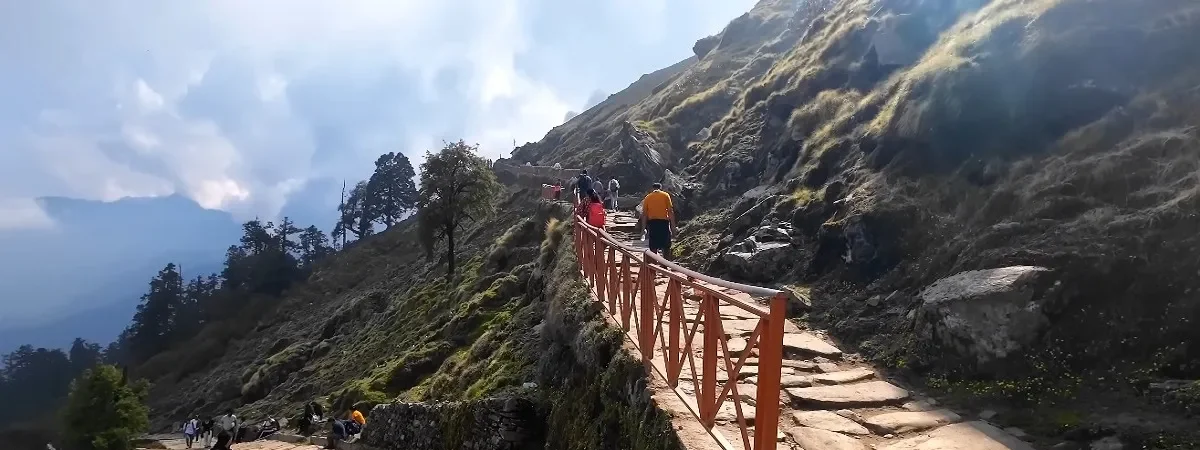
Is Tungnath a difficult trek?
No, Tungnath Trek is generally considered an easy-to-moderate trek and is a beginner-friendly trek, but it depends on age, fitness level, and weather. The terrain is clear and well-maintained, making it a comfortable choice for first-time trekkers.
Conclusion
Visiting Tungnath Temple Uttarakhand, is more than just a pilgrimage site; it is a blend of spiritual, peaceful, and adventurous experiences. This place has everything for everyone, whether you are a devotee, trekker, or nature enthusiast.
The serene surroundings, historical legends, significance, mythology, and faith among devotees make it a perfect and one of the most famous places in Uttarakhand.
If you are planning to visit Chopta and Tungnath during the summer season, I highly recommend combining it with a Do Dham Yatra. A typical 5-day Do Dham Yatra covers Kedarnath, Badrinath, and Chopta-Tungnath, allowing you to experience spirituality, adventure, and the beauty of the Himalayas in a single journey.
FAQs
Is Tungnath higher than Kedarnath?
Yes, Tungnath is at a higher altitude of 12,073 feet (3,680 meters) than the Kedarnath Temple, making it the highest Shiva Temple. Kedarnath Temple is at an altitude of 3,583 meters (11,755 feet), which is lower than Tungnath.
How many days is the Tungnath trek?
Tungnath trek is a short trek, taking only 2.5 to 3 hours. The complete Chopta to Tungnath Trek requires only one day to complete the two-way distance.
Which body part of Shiva is in Tungnath?
The arms of Lord Shiva are in the Tungnath Temple, one of the five parts of Lord Shiva. It is the third among the Panch Kedar.
Which state is Tungnath Mahadev in?
Tungnath Mahadev Temple is located in the Uttarakhand state of northern India. Uttarakhand is also known as “Dev Bhumi”.
How long is the Tungnath trek?
The Tungnath trek is 3.5 kilometres long, starting from Chopta Village, taking around 2.5 to 3 hours to reach the Tungnath Temple.

Partiksha is a dedicated travel content writer with over 5 years of experience in exploring various destinations in India. From mountains, beaches, treks, to spiritual sites, she believes in sharing experiences through creative storytelling, publishing travel guides, and engaging blogs.
She holds the technique to embrace cultures, stories, mythologies, and various experiences to engage with travellers. With an eye for aesthetics, Partiksha has crafted content that motivates travellers to explore beyond the ordinary itineraries. She doesn’t just write content, but makes it relate to the audience and helps them find what they are looking for.
Her expertise is not limited to writing content, but she also does travel blogging, destination reviews, SEO-friendly travel writing, and creative storytelling that reflects both value and authenticity. She believes that every travel destination has a story worth sharing, which helps to connect people with a place. To make your every visit memorable, she continues to do it through her expertise.


Comments (30)