
About Kedarnath Temple
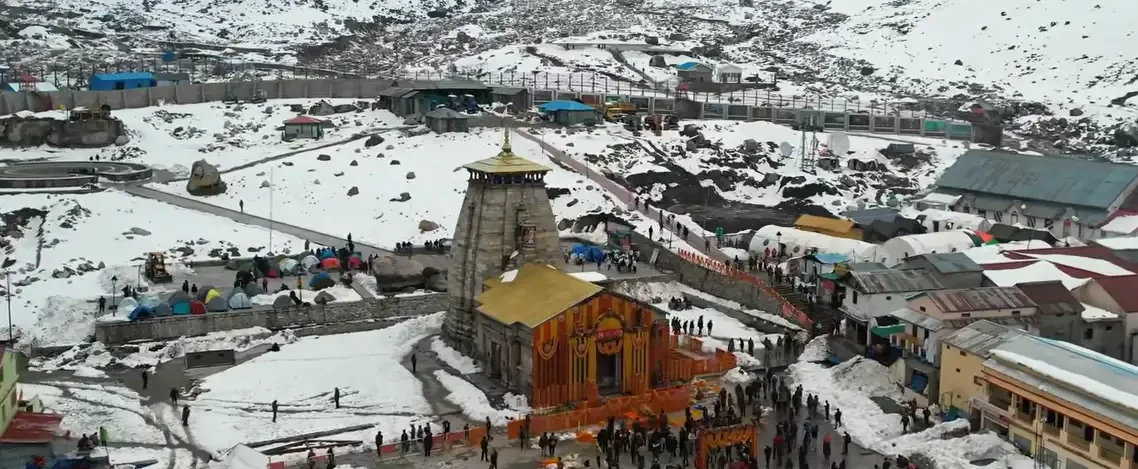
The Kedarnath Temple is a revered Hindu shrine in Uttarakhand dedicated to Lord Shiva. It is one of the 12 Jyotirlingas in India and the Panch Kedar temples. It is also an integral part of the Char Dham and Do Dham Yatra.
A pyramid-shaped rock is worshipped here in the form of a Shivlinga, as it is believed to be a manifestation of the hump of lord shiva in the form of Nandi.
It is the highest temple among all the Jyotirlingas in India and the first Kedar of the Panch Kedar circuit. Unlike other Shiva temples in India, this is not only known as a pilgrimage, but also for its natural beauty. Visiting Shri Kedarnath Jyotirlinga Temple is an incredible experience in itself. For a comfortable pilgrimage experience, many devotees choose a Kedarnath Trip Package that covers the major travel arrangements required for the yatra. It literally feels like witnessing the divine presence of Lord Shiva at his primary abode.
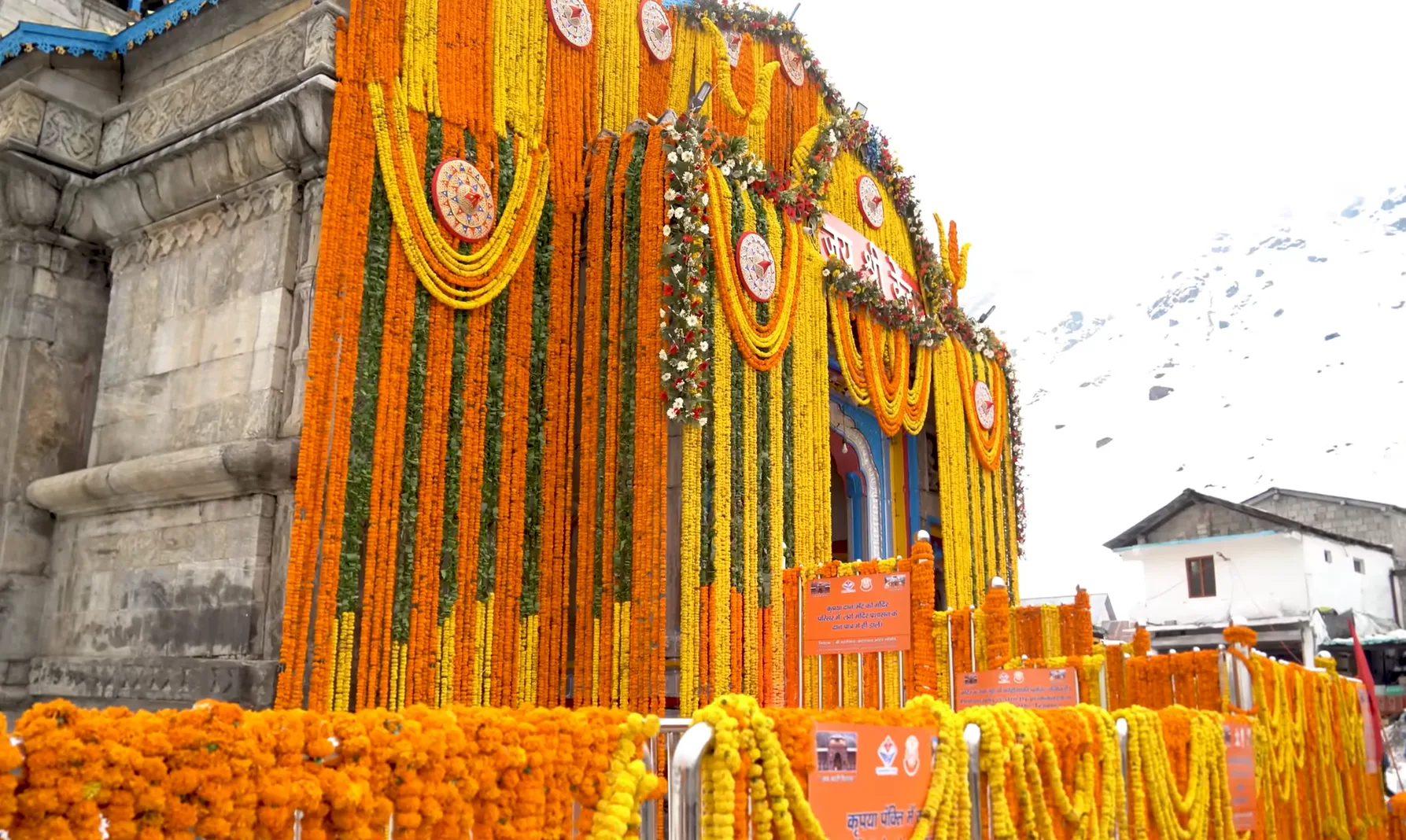
Quick Overview About Kedarnath Temple (2026)
- God: Lord Shiva
- Significance: Associated with the 12 Jyotirlinga and Panch Kedar
- Height: 3,583 meters (11,755 feet)
- Location: Rudraprayag District, Uttarakhand
- Accessibility: By a 16 km trek
- Base Camp: Gaurikund
- Opening Date (2026): 22 April 2026
- Best Time: May to June & September to October
- Nearest Airport: Jolly Grant Airport, Dehradun
- Nearest Railhead: Haridwar & Rishikesh Railway Station
- Temple Administration: Badri-Kedar Temple Committee (BKTC)
- Highlights: Bhim Shila, Bhairavnath Temple, Adi Shankaracharya Samadhi, Retus Kund, & Kedar Valley
Where is the Kedarnath Temple Located?
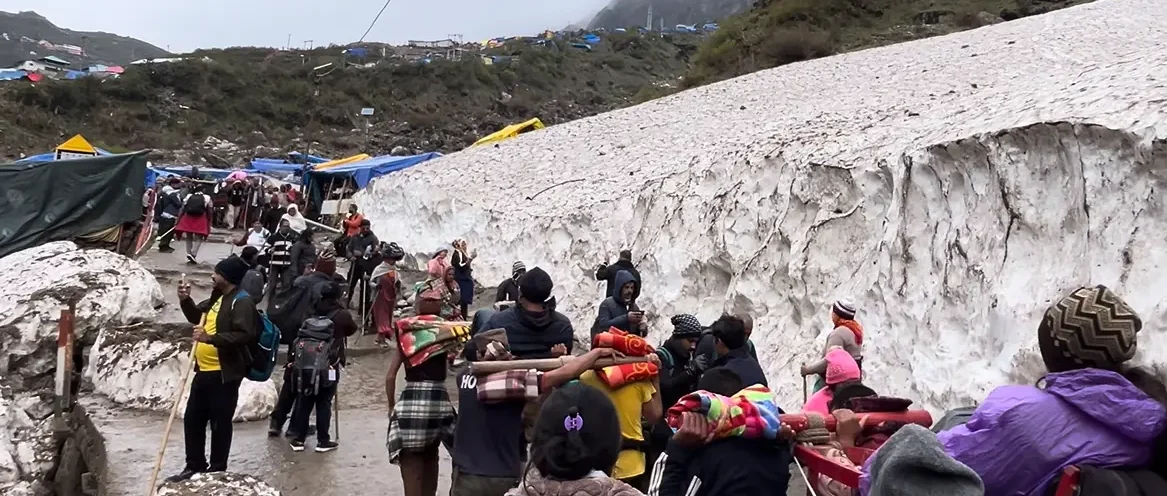
Kedarnath Temple is located in the Rudraprayag district of Uttarakhand in India, within the Garhwal Himalayan Region. The Temple sits on the banks of the Mandakini River at an elevation of 3,583 meters (11,755 feet) from sea level and is surrounded by snow-capped peaks.
Kedarnath temple faces in the south direction, which is one of the rarest architectural quality of a Hindu temple. Most of the Hindu temple faces in east direction. Poring water on the shivlings facing north, so that the holy water can flow from South to North. This is a sign of prosperity and growth.
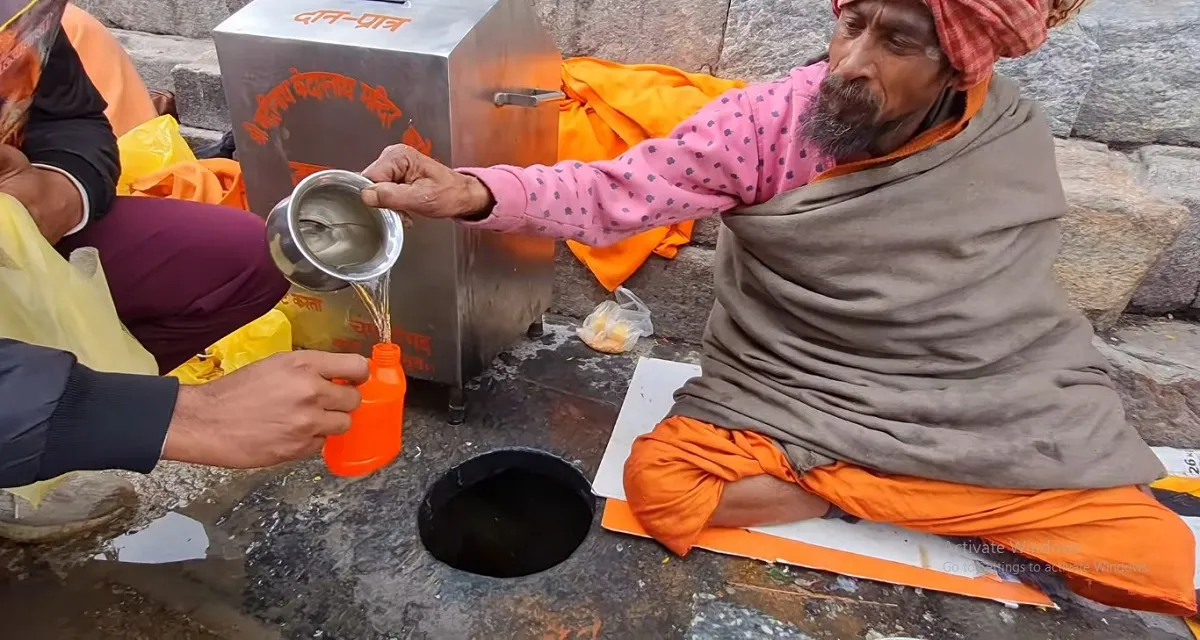
Here at Kedarnath, when Jalabhishek is done, the holy water flowing from the Shivlinga, gets collected in a small pond which is located just behind the Kedarnath temple. This holy pond is known as the Amrit Kund. You can get that holy water as a prasad and take it to your home. It is said that sprinkling that water in the house can eliminate all the negative energies.
It is widely known for its picturesque beauty and scenic surroundings. The snow-capped peaks of the Garhwal Himalaya and the river flowing by the temple make it one of the most beautiful abodes of lord Shiva.
How To Reach Kedarnath Temple
To reach Kedarnath Temple in Uttarakhand, first you need to travel to any of the base cities in Uttarakhand: Dehradun, Haridwar, and Rishikesh, by train, air, or road. From these cities, travel to Gaurikund by road. Gaurikund is the last motorable point for Kedarnath. From there, you have to trek for about 16 Kms to reach the temple.
Note: For a more detailed guide, read our blog on “How to reach Kedarnath” and “Kedarnath Distance from other places”.
Why is Kedarnath Famous?
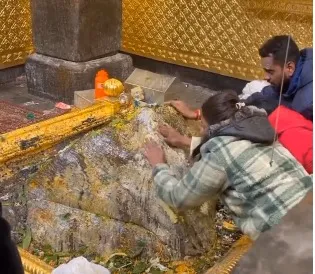
Kedarnath is famous as a Jyotirlinga and as part of the Panch Kedar, the Do Dham, and Char Dham yatra. Visiting Kedarnath is considered to be very auspicious in Hinduism. It is said that by visiting the Kedarnath temple, one can get rid of their sin and can attain salvation.
It is also known for it’s scienic beauty, offering stunning views of the Himalayas and nearby attractions, including Bhim Shila, Bhairavnath, Retus Kund, and more.
Note:– You can checkout detail about the Panch Kedar names and Location
Mythological Story & Significance of Kedarnath Temple
The exact origin of the temple is yet unknown, but as per the legends, it is said that the Kedarnath temple was built by the Pandavas, who had visited this region to meet Lord Shiva and get rid of the sins of killing their kinsmen in the Kurukshetra war.
Pandavas came to Kedar village in search of lord Shiva, but Shiva was not ready to forgive them easily, so he tried to disguise them by taking the form of a Bull and got mixed with other cattle grazing nearby.
When Bhima identified Lord Shiva as the Bull, he tried to catch him. But the bull dived into the earth, and with the strong hold of Bhima and pleased by their worship, he got divided into five parts which appeared at five different places. Hump stayed at Kedarnath, which is nowadays worshipped as a Shivlinga. According to some mythological stories, one half of Lord Shiva is in Kedarnath, while the other half is believed to be located in the Pashupatinath temple in Nepal.
Spiritually, the word “Kedarnath” means “Lord of mountain fields“, derived from the word “Kedar” – “Mountain fields” and “Nath” – “Lord“, emphasising its role as a site of achieving Moksha for devotees.
You may also read: Kedarnath Temple History for more details on the history and mythology of Kedarnath temple.
10 Interesting Facts About Kedarnath Temple
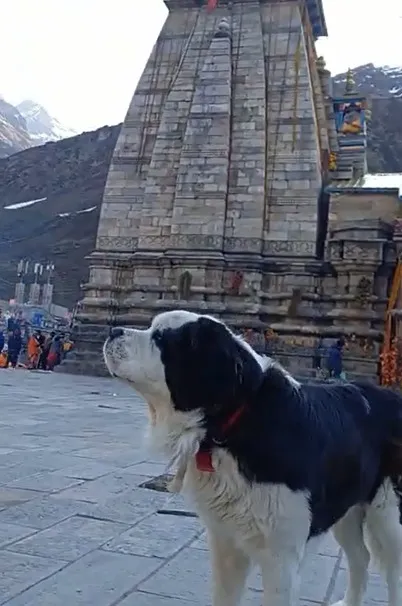
- Kedarnath Shivling is a self-manifested shrine and is believed to be over 1200 years old.
- The temple was buried in ice for over 400 years.
- A stone boulder, Bhim Shila, protected the Kedarnath Temple during the Kedarnath flood in 2013. It rolled down itself and stood just behind the temple, protecting it throughout the flood.
- The head priest (Rawal) is from Karnataka in the temple, and all the rituals and worship are performed in Kannada.
- It is believed that a lighted lamp is left during the winter closing of the temple, and it remains lit throughout the closing period.
- The Bhairavnath above the Kedarnath is considered the guardian deity of the Kedarnath Shivling and Kedar Valley.
- The Shivling inside the temple is a triangular-shaped shrine, believed to be the hump of the bull (form of Mahadev).
- The Kedarnath flood of 2013 is believed to have occurred because of the relocation of the idol of Maa Dhari Devi (guardian of Uttarakhand).
- The Kedarnath Temple’s face direction is in south, which is rarely found among Shiva Temples. Generally, a temple faces east.
- Unlike many temples, there is no traditional bell at the entrance door of the temple.
Kedarnath Opening & Closing Date 2026
Kedarnath temple opened on 22nd April for the 2026 season. The closing date has not yet been announced. Its closing date gets announced on the occasion of Vijayadashmi. After the closure of the temple, the utsav murti of the temple is being shifted to Omkareshwar temple in Ukhimath. For more details on the opening and closing dates of the Kedarnath temple, you can refer to our blog on this topic.
Best Time To Visit Kedarnath Dham
The temple remains open just for six months in a year: from May to October, and remains closed for the rest of the year. The best time for Kedarnath is Summer (May to June) and Autumn (September to October), offering pleasant weather, clear skies, and ideal conditions for everyone.
For detailes season wise analysis, you can refer to our blog on best time to visit Kedarnath Temple in 2026 by season.
Kedarnath Temple Timings
During the yatra season, the temple follows a general schedule of Aarti and Darshan timings. Here is a comprehensive table of Kedarnath temple timings.
| Event | Timings |
| Kapat Open (Daily) | 4:00 AM |
| Morning Aarti (Kakad Aarti) | 4:00 AM to 7:00 AM |
| Morning Darshan | 5:00 AM to 3:00 PM |
| Afternoon Break | 3:00 PM to 5:00 PM |
| Evening Darshan | 5:00 PM to 7:00 PM |
| Evening / Sandhya Aarti | 7:00 PM to 8:00 PM |
| Kapat closing time (Daily) | 9:00 PM |
Kedarnath temple opens every day at 4:00 AM, followed by a morning Aarti (Kakad Aarti) which starts at 4:00 AM and finishes at 7:00 AM.
Although, as per the official website, darshan for the general public is allowed to have darshan from 7:00 AM, during the peak season, the general public is allowed to have darshan from 5:00 AM to 3:00 PM. Sparsh darshan is allowed till 8-10:00 AM depending upon the crowd. After 10:00 AM, only shringar darshan is allowed.
There will be a short afternoon recess from 3:00 PM to 5:00 PM in which no devotee is allowed to enter the sanctum of the temple. At 5:00 PM, darshan will resume, which will last till the closure of the temple at 9:00 PM. In the evening, aarti, which is also known as Shyan aarti, will take place from 7:00 PM to 8:00 PM.
Note:- Shringar Darshan is permitted even during the evening aarti.
Can we touch the Kedarnath Shivling?
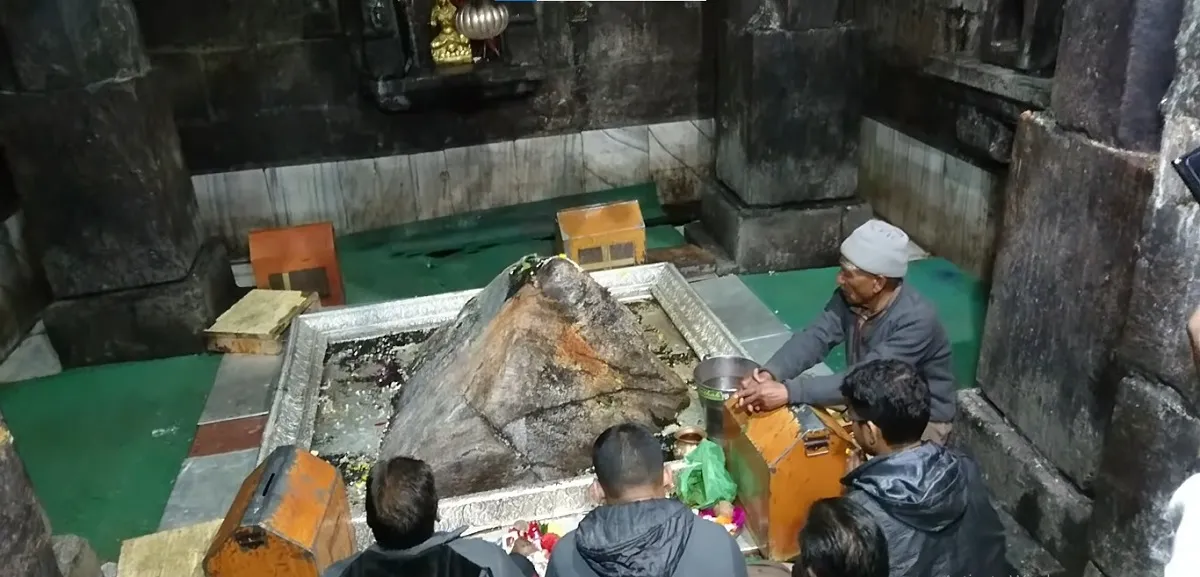
Yes, between 5:00 AM and 10:00 AM, you can do Sparsh Darshan of Kedarnath Shivling free of cost, where you can take the blessings of Shri Kedarnath Ji by touching the Shivlingam. After 10, you can just see the Shivlinga, but can not touch it, which is known as Sringar Darshan.
In addition to this, you can also touch the Shivlinga by booking special poojas at the temple. Just check out our blog for the cost of poojas at Kedarnath, their timing, eligibility and method to book it.
Places To Visit In Kedarnath, Uttarakhand
Not only the Kedarnath temple, but there are also many other sights which you can visit. Some of them are
- Bhairavnath Temple: Located about 800 meters from the main shrine, the Bhairavnath Temple at Kedarnath is a sacred site dedicated to Lord Bhairavnath, the guardian deity of the shrine and the Kedar Valley.
Things to do: Hiking, bird-eye views, and photography - Bheem Shila: The rock which had protected the Kedarnath temple during the 2013 flood is Bheem Shila. It is located just behind the temple.
Things to do: Photography, offer Tilak, and know the story from locals. - Amrit Kund: A small pit located just behind the Kedarnath temple where runoff from the Kedarnath shivlinga gets collected. It is in the circumambulation path of Kedarnath temple. Devotees take the water collected in this pit as a prasad and even take it to their home.
- Adi Shankaracharya Samadhi: It’s a memorial site, situated just behind the main temple, dedicated to the Sage Adi Shankaracharya, who attained Mahasamadhi at the age of 32.
Things to do: Meditate, explore history, and take photographs - Rudra Cave: A serene spot attracting devotees, Yogis, and saints for meditation. It’s a very popular site, just 1 km from the main temple, where our Prime Minister, Narendra Modi, meditated.
Things to do: Meditation and witness the miracle - Chorabari Lake: A pristine lake near the temple, also known as Gandhi Sarovar, believed to be a place where Mahatma Gandhi’s ashes were immersed in 1948.
Things to do: Trekking, Camping, Photography, and connect with nature - Vasuki Tal: Another major attraction, Vasuki Tal is an alpine lake accessible by an 8 km strenuous trek from Kedarnath Temple, offering panoramic views of snow-capped peaks.
Things to do: Camping, Trekking, and Photography - Rudra Meditation Cave: Also known as Rudra Gufa, or Rudra dhyan gufa is a small cave located at an altitude of 12250 feet above sea level. It is just a distance of 1 to 1.5 Kms away from the Kedarnath temple. This cave is well known for solitude and meditation; it gained popularity after the current Prime Minister of India, Mr Narendra Modi, meditated here for about 17 hours in 2019 before the general election. Later on, the Nehru Institute of Mountaineering has developed it for meditation and ensure the occupancy of just 1 person, so that solitude should be maintained.
Note:- To know more about Places to visit in and around Kedarnath, you can refer to our blog or just check out things to buy from Kedarnath.
Important Things To Know Before Visiting Kedarnath
Mandatory Registration
Registration is a mandatory and primary step towards the Kedarnath journey. Without registration, devotees are not allowed to proceed on their journey beyond various checkpoints. So, first complete the Kedarnath Registration.
Registration for Kedarnath is free, and devotees can do it online through the official site of Uttarakhand Tourism or offline via the designated registration counters on the Kedarnath route: Haridwar, Rishikesh, or Sonprayag. You can also do it by reading our step-by-step guide on How To Register For Kedarnath Yatra 2026?
Helicopter Booking Guide
Worried about the long trekking route? Don’t worry, now you can also book a helicopter shuttle service from Phata Sersi or Guptkashi to reach Kedarnath temple.
The only way to book this helicopter ticket is online through the IRCTC Heliyatra website. For a step-by-step guide on how to book a helicopter for Kedarnath, you can refer to our blogs.
Kedarnath VIP Darshan
VIP Darshan at Kedarnath is a facility for pilgrims who are expecting to do the special Puja of the shrine, such as Mahaabhishek, Rudraabhishek, and more.
Many pilgrims book VIP passes for darshan to avoid standing in long queues for darshan. It is ideal for elderly pilgrims and those with health issues.
Essential Packing List
Packing is crucial due to the high-altitude location, unpredictable weather, and limited infrastructure. So pack smart and light. Here are must-carry items:
- Warm clothes, as layering is key to protecting oneself from a cold climate.
- Trekking gear such as sturdy shoes, trekking poles, and a headlamp.
- Essential documents and medical kit
- Other essential items: energy snacks, a power bank, a raincoat, and a daypack.
Note: Do not pack unnecessary items; light and smart packing ensures a safe and comfortable journey. For a detailed list, just check out our article on Things to pack for Kedarnath trek.
Where To Stay During the Kedarnath Yatra?
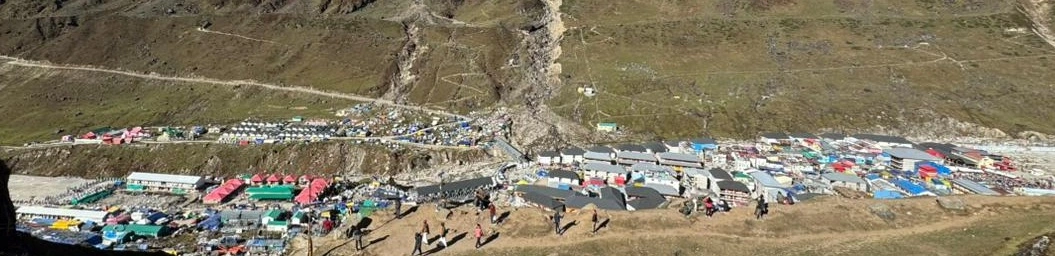
Staying in Kedarnath is available in three prime areas: on the route, near the base point, and near the temple.
Planning or booking accommodation is a crucial part of a yatra; stays are limited and basic in this region and require pre-booking during the peak season.
- On the Kedarnath journey route: Devotees who travel from far cities, like Delhi, Mumbai, etc. Haridwar and Rishikesh are the first major stops for rest.
- Guptkashi is another primary stop on the Kedarnath journey. It is the place where devotees take a one-night halt before resuming their journey to Kedarnath temple. Guptkashi is well known as the hub of premium properties. You can consider staying at Musafir resort – the best hotel in Guptkashi, equipped with all the modern amenities possible on mountain. We are mostly known for the best hospitality.
- Stay near the base points: Sonprayag and Gaurikund are the base points for the Kedarnath trek, offering basic stays like homestay, dormitory and camps.
- Stay at Kedarnath Temple: Ideal but very limited and expensive. Ranges from Government stays (GMVN rest house) to private guest houses, hotels, camps and dharamshalas are available. If you are on a budget trip, you can go for dormitory or camp stay, but if you have a good budget and you can afford then booking a hotel is recommended.
Travel & Safety Tips
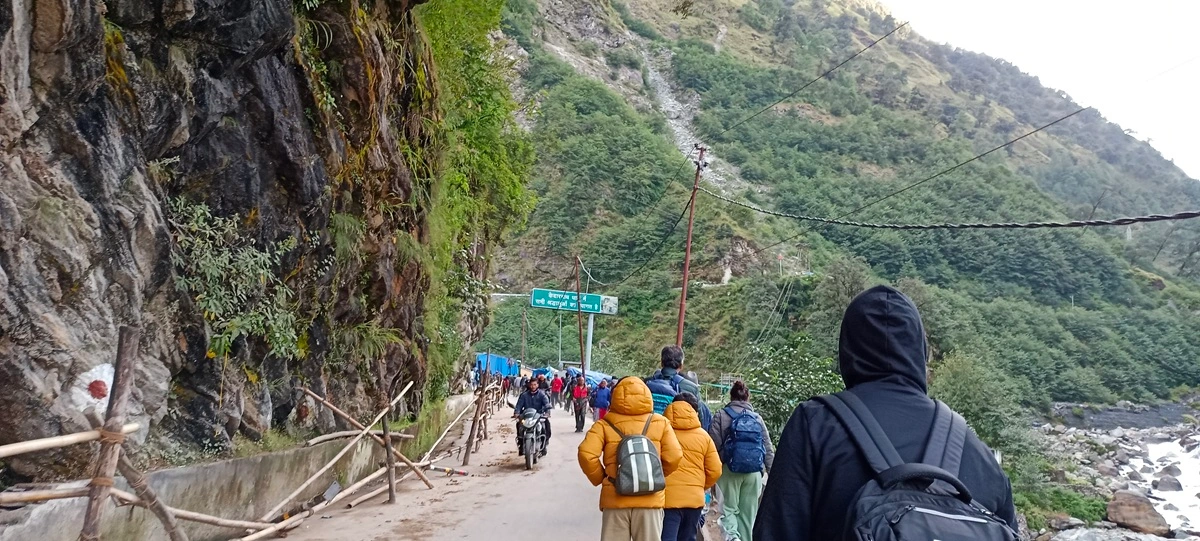
- Avoid Overpacking: Don’t pack unnecessary things like toiletries, etc., and ensure that you carry only necessary items.
- Avoid Overpacing: Travel at the same pace and avoid overexerting yourself during the road journey and trek.
- Avoid Last-minute Planning: Kedarnath yatra demands proper planning and preparation, and last-minute planning can affect your experience, so plan early and book your stay and transportation in advance.
- Start Travel & Trek Early: Start the road journey early to avoid mountain traffic and trek early to reach the site before sunset.
- Carry Cash: Keep cash handy, as ATMs are limited in remote areas and the network is also very weak, so digital payments are not possible; carry sufficient cash.
- Keep Documents: Always carry a valid Photo ID and Yatra registration slip throughout your journey.
- Stay Hydrated & Eat Light: Drink plenty of water and eat light during your whole journey, which helps in trekking.
- Proper Acclimatisation: To reduce travel fatigue and the risk of altitude mountain sickness, acclimatise your body at a lower altitude.
Conclusion
Kedarnath is not just a temple but a symbol of devotion and belief. For ages, it has been the centre of attraction for all the devotees and saints. Visiting the Kedarnath temple is considered to be very auspicious for Hindus.
Nowadays, people of almost all age groups are taking great interest in visiting the temple, but some pilgrims get confused about whether they should book a package or plan themselves. To get the answer, you can check out our blog on Kedarnath Tour Package vs Self-Planning which is Better?
FAQs
Is a medical test required for the Kedarnath Yatra?
No, a medical test is not necessary for the Kedarnath Yatra, but registration is. If you have any pre-existing disease or any health issue, then you must do a medical test and also keep your prescription. It helps in case of a medical emergency.
Which part of Shiva is in Kedarnath?
The hump of Lord Shiva in his bull form, Nandi, is in Kedarnath, which was believed to have appeared with the other Panch Kedar shrines.
What do you need to do before visiting Kedarnath?
Important things to know before visiting Kedarnath include the following: Mandatory registration, the right time to visit (May-June, Sep-Oct), Physical fitness for the trek, pre-booking of accommodation, and warm clothing and gear for a safe journey.
How many days are sufficient for Kedarnath?
Generally, 3-4 days are enough for Kedarnath, including road travel from Haridwar, darshan, sightseeing, and a rest period. Duration for the Kedarnath yatra depends on devotees, how much time they have, and what they want to explore.
Why is Kedarnath not in the 4 Dham?
Kedarnath is not included in the Major Char Dham of India because the circuits established by Adi Shankaracharya in the Bada Char Dham are shrines of Lord Vishnu or his avatars, while Kedarnath is the abode of Lord Shiva. However, it is a vital part of Chota Char Dham and Panch Kedar of the Garhwal Himalayas.
How old is the Kedarnath Temple?
It is believed that the Kedarnath temple is over 1200 years old, with the current construction of the site credited to Sage Adi Shankaracharya in the 8th century. The beliefs also show the site’s ties with the Pandavas of the Mahabharata.
What is famous in Kedarnath to buy?
There are several items that you can buy in Kedarnath from the local markets. Famous items to buy include:
- Spiritual items: Rudra beads and prayer beads, popular for their significance.
- Puja Items: Brass bells, idols of deities, and small bottles of Holy water from the Mandakini River and the Ganga River.
- Local traditional handicraft items, like Ringaal Handicrafts.
Who built the Kedarnath Temple?
The ancient Kedarnath temple was built by the Pandavas from the Mahabharata, while the current structure of the temple is attributed to Adi Shankaracharya in the 8th century. Also, the present temple, after the flood of 2013, is interlocked with stone slabs.
Is a medical test required for Kedarnath Yatra?
No medical test is required for Kedarnath Yatra, as you were not asked to upload any medical document on the portal while registration. A medical certificate will also not be asked from you during the Yatra or trekking. But if your age is above 50 years or you are suffering from any chronic disease or you recently went through any serious operation, then you are recommended to consult your doctor before planning your trip to Kedarnath. It’s also recommended to take a full body checkup so that you can have the complete details about your vitals.
| Related Blogs Significance & importance of Somnath Temple About Kashi Vishwanath Temple Rameshwaram Temple History Mahakaleshwar Temple Ujjain History |

Partiksha is a dedicated travel content writer with over 5 years of experience in exploring various destinations in India. From mountains, beaches, treks, to spiritual sites, she believes in sharing experiences through creative storytelling, publishing travel guides, and engaging blogs.
She holds the technique to embrace cultures, stories, mythologies, and various experiences to engage with travellers. With an eye for aesthetics, Partiksha has crafted content that motivates travellers to explore beyond the ordinary itineraries. She doesn’t just write content, but makes it relate to the audience and helps them find what they are looking for.
Her expertise is not limited to writing content, but she also does travel blogging, destination reviews, SEO-friendly travel writing, and creative storytelling that reflects both value and authenticity. She believes that every travel destination has a story worth sharing, which helps to connect people with a place. To make your every visit memorable, she continues to do it through her expertise.



Comments (65)