
About Rudraprayag
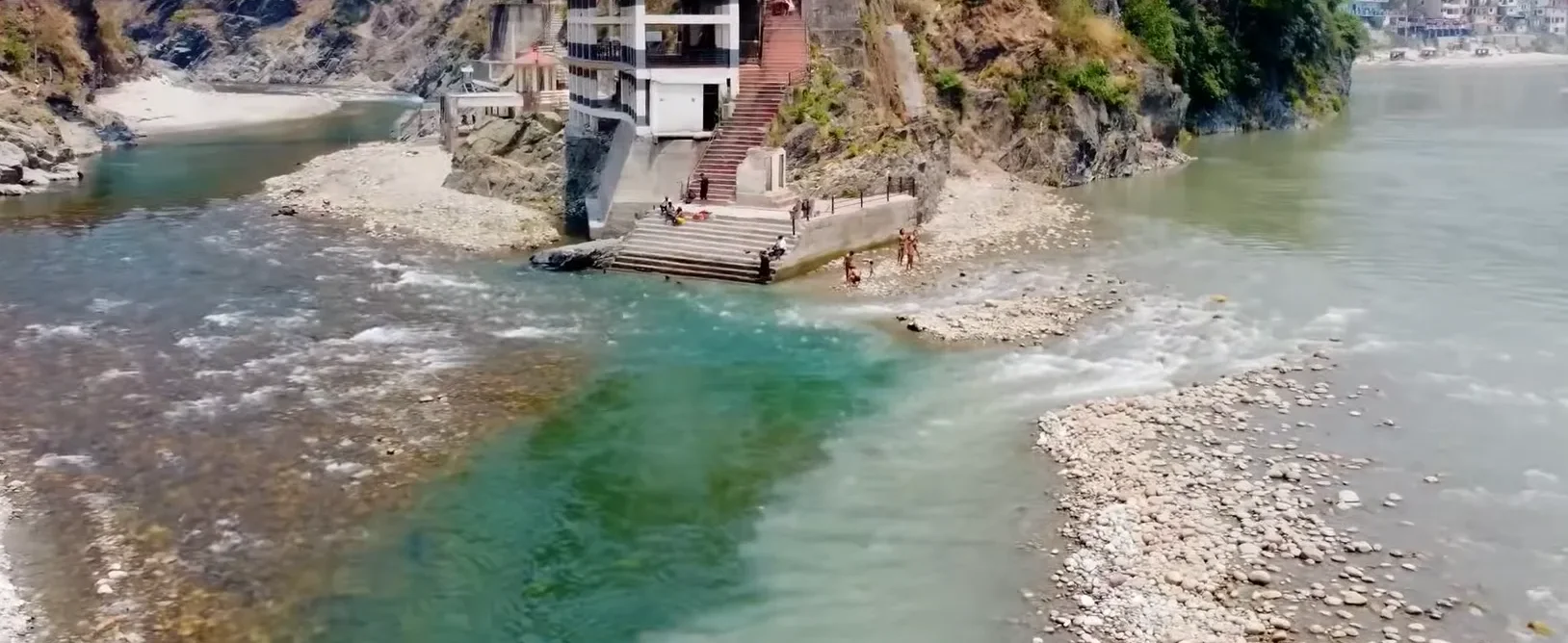
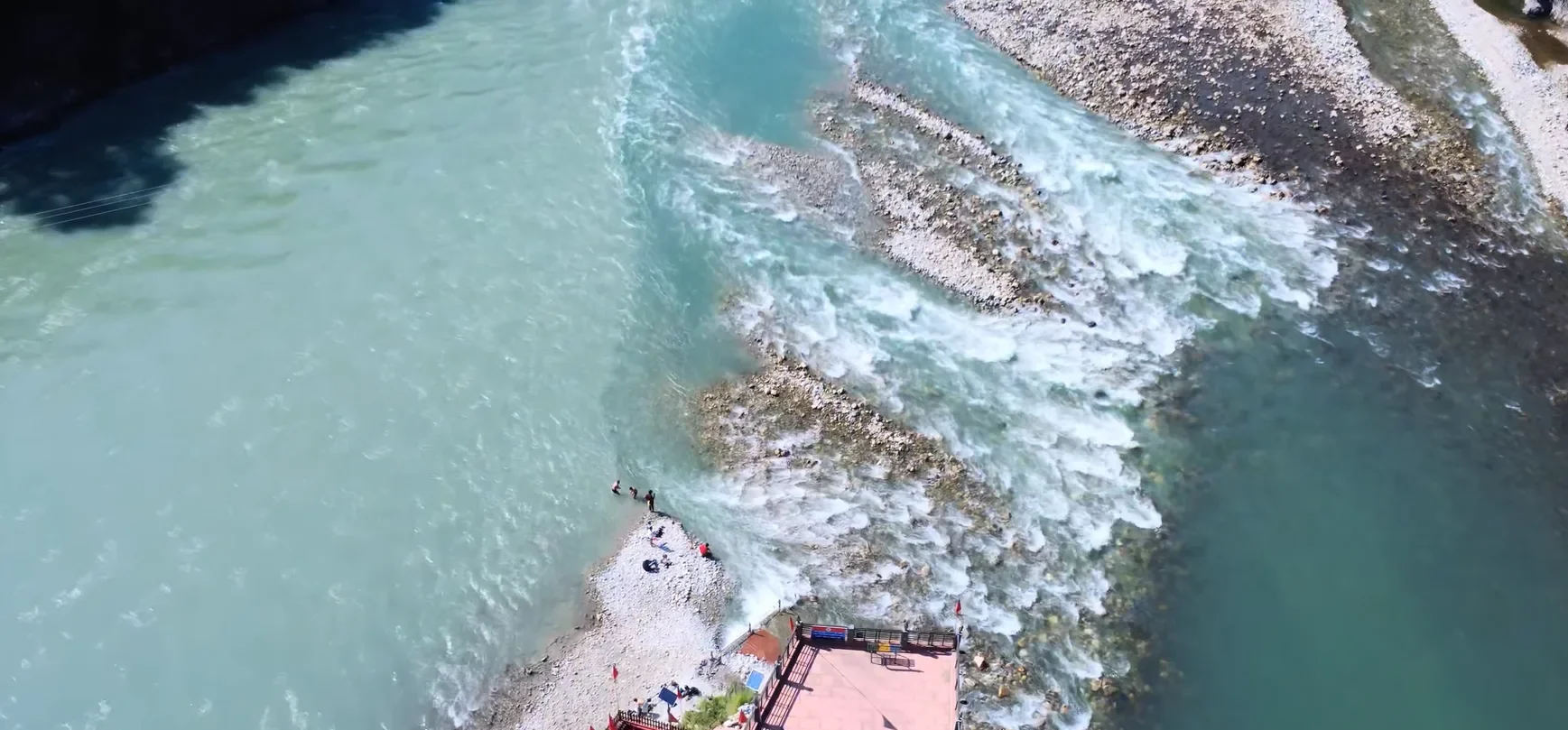
A divine confluence of the Alaknanda and Mandakini rivers at the Rudraprayag Sangam in Uttarakhand is a living example of ancient history and beliefs.
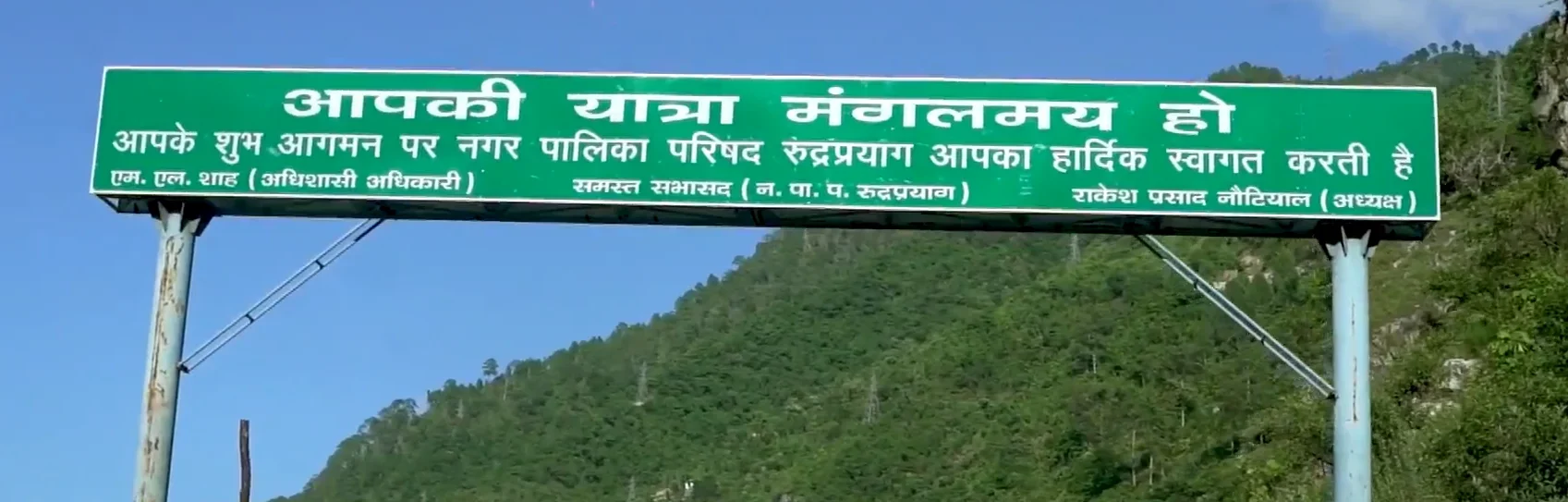
Rudraprayag is a famous town in Uttarakhand, serving as a gateway to many ancient temples and a major stop for pilgrims visiting the Garhwal Himalayan sites, including Kedarnath, Tungnath, Triyuginarayan, and more.
Visiting the holy Sangam Rudraprayag feels like a divine experience in itself. This river confluence is a part of the Panch Prayag Yatra, renowned as the fourth confluence among the five, from where the Alaknanda stream flows towards its ending point at Devprayag Sangam.
If you are also planning a journey to Uttarakhand in the Garhwal Himalayas, knowing about Rudraprayag could be crucial for a smooth and comfortable trip.
Quick Facts About Rudraprayag Uttarakhand
- Rudraprayag Location: Garhwal Region in Uttarakhand, India
- Height/Altitude: 895 meters (2,936 feet)
- Sangam River Name: Alaknanda and Mandakini
- Rudraprayag Pin Code: 246171
- Highlights: Sangam, Rudranath Temple, & Koteshwar Mahadev Temple
- Best Time: April to June & September to November
- Accessibility: Easily accessible by road journey via NH58
- Nearest Airport: Jolly Grant Airport, Dehradun
- Nearest Railhead: Haridwar & Rishikesh Railway Station
Where Is Rudraprayag?
Rudraprayag is a town and district located in the Garhwal region of Uttarakhand. The town is situated along the route to Kedarnath Dham and Badrinath Dham. The famous Rudraprayag Sangam is within the town at an altitude of 895 meters (2,936 feet).
Why Is Rudraprayag famous for?
Rudraprayag is famous for its confluence of Alaknanda and Mandakini, known as a part of Panch Prayag and the ancient Rudranath Temple.
The town also serves as a gateway to many pilgrimage sites, temples, and treks, often popular as a crucial stop on the Chardham route map.
Which River Meets At Rudraprayag?
The two rivers, Alaknanda and Mandakini, meet at the Rudraprayag Sangam, creating the fourth confluence. The Alaknanda River passes through this sangam, originating from the Satopanth Glacier and ending at Devprayag. The Mandakini River flows from the Chorabari Glacier near Kedarnath.
Rudraprayag History
The Rudraprayag town in Uttarakhand was established as a district on September 16, 1997. The site is now a crucial stop for pilgrims visiting ancient temples and pilgrimage sites.
According to ancient legends, Rudraprayag is the very spot where the great sage Narad Muni did intense penance to master the art of music with the divine grace of Lord Shiva.
After being pleased by his devotion and dedication, Lord Shiva appeared to him in his Rudraksha form and blessed him with mastery over music. And this is how the place got its name, “Rudra Prayag”.
Significance of Rudraprayag Sangam
The Rudra Prayag Sangam holds great significance as the fourth confluence among the Panch Prayag in Uttarakhand. Locals and pilgrims believe that it is the sacred spot where Lord Shiva did the Tandava, the dance of destruction, after the death of Devi Sati.
It is not just a town but a sacred place where the most beautiful and fierce events happened. The events made it a divine place, where now pilgrims visit during their journey to Kedarnath, Badrinath, and other pilgrimage sites.
Rudraprayag now serves as a gateway to many ancient temples, including Tungnath Temple, Kalimath Temple, Triyuginarayan Temple, and more.
How To Reach Rudraprayag
To reach the Rudraprayag town in Uttarakhand, you must travel by road, train, or air. As Rudra Prayag does not have its own airport or railway station, pilgrims take flights and trains to the nearest airport and railhead, Jolly Grant Airport in Dehradun (150 km) and Haridwar/Rishikesh Railway Stations (135-160 km).
Here is the complete breakdown on how to reach Rudraprayag:
Step 1: Reach Haridwar/Rishikesh
From your location, reach Haridwar or Rishikesh by train. Alternatively, you can take a flight up to Dehradun for a comfortable and faster option.
Step 2: Reach Rudraprayag
From the airport and railway stations, you can take a direct bus or taxi to reach Rudra Prayag Town by a road journey of 3-4 hours.
Final Step: A shuttle walk from the town will take you to the Ghat on the Rudra Prayag Sangam.
You can also extend your trip up to Kedarnath, with our Kedarnath package, which includes a visit to this sacred sangam along the route.
Rudraprayag Distance
- Delhi to Rudraprayag Distance: 350-390 km
- Dehradun to Rudraprayag Distance: 173 km
- Haridwar to Rudraprayag Distance: 160 km
- Rishikesh to Rudraprayag Distance: 135 km
Note: Check out our complete Rudraprayag Distance Chart 2026 from major cities, towns, and nearby places.
Best Time To Visit Rudraprayag
The best time to visit Rudraprayag is from May to June in summer and September to November in autumn. During these times, Rudraprayag weather stays pleasant, with mild temperatures, offering clear views of the Himalayas, and serene surroundings, making it ideal for visitors.
Here is the complete overview of Rudraprayag weather and temperature by season:
| Season (Months) | Temperature | Weather | Best For |
| Summer (May to June) | 18°C – 30°C | Pleasant, clear skies, comfortable for travel | Char Dham yatra, sightseeing, family trips |
| Monsoon (July to August) | 18°C – 25°C | Heavy rainfall, landslide-prone, lush greenery | Nature lovers, offbeat travel (with caution) |
| Post-Monsoon / Autumn (September to November) | 10°C – 22°C | Fresh air, clear views, stable weather | Photography, pilgrimage, scenic views |
| Winter (December to March) | 5°C – 15°C | Cold and chilly, occasional fog | Peaceful travel, budget trips, fewer crowds |
Things To Do In Rudraprayag
There are so many things you can do during a trip to Rudra Prayag. Here is the list of things to do in Rudraprayag:
- Sacred Bath: The very common and first thing to do is to take the holy bath in the Rudra Prayag Sangam, to cleanse sins and for relief.
- Meditation: The serene view and calm surroundings around the river Sangam make it the best spot for meditation.
- Temple Visit: There are multiple ancient temples to explore, including Rudranath Temple, Koteshwar Temple, Kalimath Temple, Tungnath, Kedarnath, and more.
- Trekking: You can also do treks and hikes to the nearby trekking destinations, such as Chirbatia, Chopta Tungnath, Deoria Tal, and so on.
- Sightseeing: There are so many sights to explore, including rivers, mountains, a cave temple, and ancient sites.
- Explore Market: You can also explore the Rudraprayag Market, famous for rudraksha, spices, herbs, handicrafts, and so many things.
Places To Visit In Rudraprayag
Rudraprayag offers a gateway to plenty of famous places in Uttarakhand. Here are some of the places to visit in Rudraprayag:
Rudraprayag Sangam
The very first significant site in the Town is the river Sangam Rudraprayag, the holy confluence of Alaknanda and Mandakini. Pilgrims visit here to take the sacred bath in the holy water of the Rudraprayag River. The water is believed to purify souls and give salvation.
Rudranath Temple
A hidden gem and lesser-known temple in the town near the confluence. The temple is dedicated to the Rudra form of Lord Shiva, making it a significant site to seek blessings in his divine form of music, with the surrounding enchanting sound of bells ringing and water flowing.
Rudraprayag Market
The market of Rudraprayag is a must-visit to buy real Rudraksha, spiritual items, Himalayan spices, local herbs, traditional handicrafts, warm woollen clothes, shawls, and Garhwali Jewellery.
Koteshwar Mahadev Temple
It is an ancient cave temple of Lord Shiva, which holds great significance for the naturally formed Shivlingam. The temple is just 3 km away from Rudra Prayag, offering a serene and calm surrounding, ideal for meditation.
Travel & Safety Tips For Visitors
- Check Weather: Make sure to check the weather regularly before travelling, as the weather is uncertain in the Himalayas.
- Avoid Monsoon: Plan visiting during summer, autumn, and spring. Avoid the monsoon, as it can be risky and hectic due to heavy rainfall and possible landslides.
- Advance Booking: Book accommodations and other amenities in advance to avoid last-minute hassle.
- Pack Warm Clothes: Carry warm clothes, including jackets, shawls, gloves, scarves, socks, and warm shoes to protect from the cold.
- Carry Essentials: Take sturdy shoes, umbrella/raincoat, medicines, essential documents, and cash handy.
Conclusion
The Rudraprayag Sangam is not just a confluence but a spiritual site that offers an incredible experience of the divine grace of Lord Shiva. The surrounding views, the sound of flowing water, and ringing bells make it a must-visit place for a short break from life’s hustle.
If you are seeking spiritual enrichment, breathtaking views, and ancient temples with great mythological significance, then Rudraprayag Uttarakhand, is for you.
FAQs
Is Badrinath in Rudraprayag?
No, Badrinath is not in Rudraprayag; these are both different places in Uttarakhand. Badrinath is in the Chamoli district of Uttarakhand, while Rudraprayag is another district and town located along the route to Badrinath, serving as a gateway to many temples.
Which railway station is near Rudraprayag?
Rishikesh railway station is the nearest to Rudraprayag town at a distance of 135 kilometres, easily accessible by road. Another nearby station is Haridwar, around 160 km from the town.
Which sangam is in Rudraprayag?
The Rudraprayag Sangam of the Alaknanda and Mandakini rivers is in Rudraprayag Uttarakhand. It is a part of the five sacred confluences in Uttarakhand, known as Panch Prayag.
What is the difference between Devprayag and Rudraprayag?
Devprayag and Rudraprayag are both part of the Panch Prayag circuit. Devprayag is located in the Tehri Garhwal district, whereas Rudraprayag is a district of Uttarakhand.
- Devprayag: It is the confluence of the Alaknanda and the Bhagirathi rivers, forming the holy river Ganga. It is the fifth confluence, serving as the last sangam of the Panch Prayag Yatra.
- Rudraprayag: It is the confluence of the Alaknanda and the Mandakini rivers, serving as the fourth sangam of the Panch Prayag yatra. From here, the river combines and flows downward to merge into Devprayag with the Bhagirathi.
| Packages Kedarnath Tour Package from Ahmedabad Kedarnath Trip Package from Bangalore Kedarnath Trip Package from Nagpur Kedarnath Trip Package from Surat |

Partiksha is a dedicated travel content writer with over 5 years of experience in exploring various destinations in India. From mountains, beaches, treks, to spiritual sites, she believes in sharing experiences through creative storytelling, publishing travel guides, and engaging blogs.
She holds the technique to embrace cultures, stories, mythologies, and various experiences to engage with travellers. With an eye for aesthetics, Partiksha has crafted content that motivates travellers to explore beyond the ordinary itineraries. She doesn’t just write content, but makes it relate to the audience and helps them find what they are looking for.
Her expertise is not limited to writing content, but she also does travel blogging, destination reviews, SEO-friendly travel writing, and creative storytelling that reflects both value and authenticity. She believes that every travel destination has a story worth sharing, which helps to connect people with a place. To make your every visit memorable, she continues to do it through her expertise.
Comments (48)