
About Rameshwaram Temple
The Ramanathaswamy temple, or Rameshwaram Temple Jyotirlinga, is India’s most sacred pilgrimage site and Sivan/Shiva Temple, and holds great importance for its strategic geographical location and spiritual significance.
Located in Rameshwaram town of the southernmost state of Tamil Nadu, India. The temple sits on the Prabhas Patan Bridge, resembling its longest temple corridors and 22 sacred wells (holy thirthams), attracting millions of visitors not only across India, but across the world.
Over 10-12 million devotees visit Rameshwaram Tamil Nadu, annually to witness the spiritual vibe of the holy site, as a part of the 12 Jyotirlinga in India.
If you are also planning to be a part of the global visitors, here is everything that you should know for a safe and memorable experience.
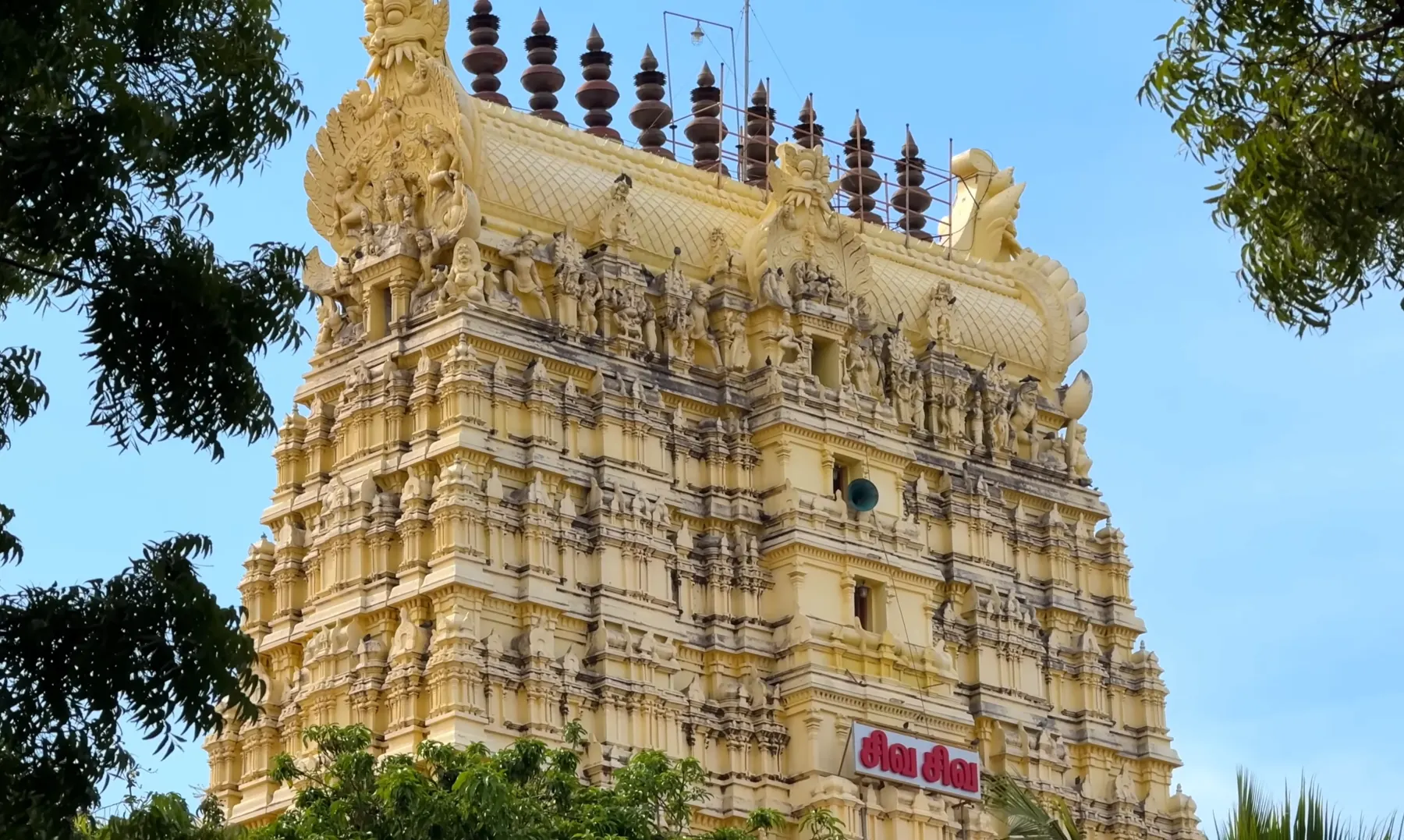
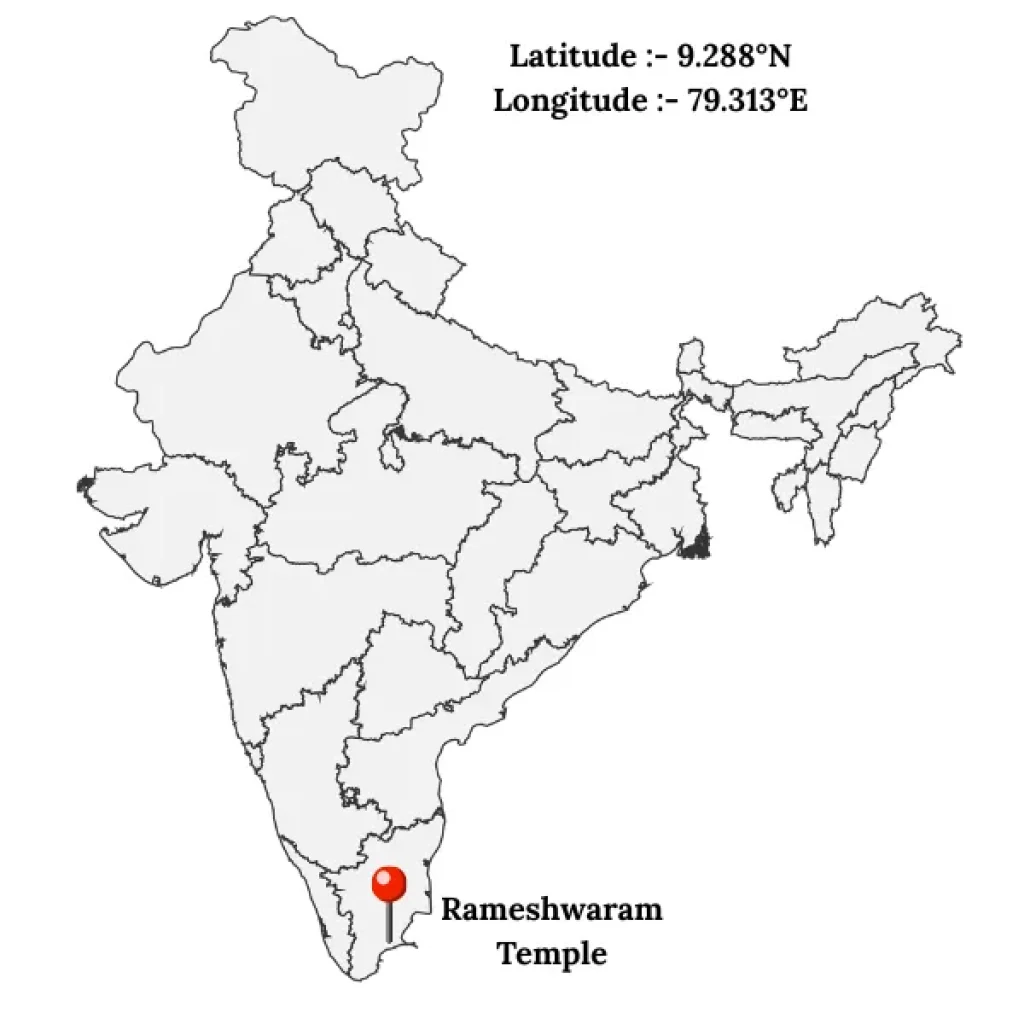
Quick Facts About Rameshwar Temple
- State: Tamil Nadu
- District: Ramanathapuram
- Town: Rameshwaram
- Idol/God: Lord Shiva
- Pin Code: 623526
- Nearest airport: Madurai Airport, roughly 150-80 km
- Nearest railway station: Rameshwaram Railway Station
- Temple Timings: 5:00 AM to 9:00 PM
- Significance: One of the 12 Jyotirlingas & 4 dhams, linked to the epic Ramayana
- Highlights: Ramanathaswamy temple corridor, twin lingams, & 22 sacred Teerthams
- Sightseeing: 22 holy temples, Danushkodi beach and bridge, Ram Setu
- Temple dress code: Modest attire for both women and men (cover shoulders and legs properly)
Table of Content
- About Rameshwaram Temple
- Quick Facts About Rameshwaram Temple
- Where is Rameshwaram Temple Located?
- Why is Rameshwaram famous for?
- Rameshwaram Temple History
- Ramanathaswamy Temple Architecture
- Rameshwaram Story & Mythological Significance
- Is Rameshwaram one of 12 Jyotirlinga?
- What are the rules for Rameshwaram temple?
- Rameshwaram Temple Timings
- Rameshwaram Darshan Booking & Ticket Price
- Best Hotels in Rameshwaram Temple
- Best Time To Visit Rameshwaram Temple
- Places To Visit Near Rameshwaram
- Things To Do In Rameshwaram
- How To Reach Rameshwaram Temple
- Conclusion
- FAQs
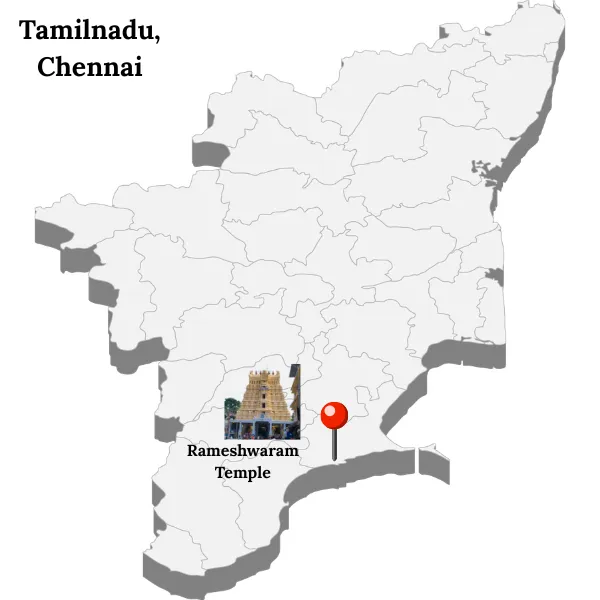
Where is Rameshwaram Temple Located?
The Rameshwar temple is in Ramanathapuram district of the southernmost coastal state, Tamil Nadu, in India, located on Rameshwaram Island (also known as Pamban Island).
Situated in proximity to the Gulf of Mannar, forming a key part of the iconic Ram Setu, which connects India to Sri Lanka.
Why is Rameshwaram famous for?
The Ramanathaswamy temple, or Rameshwaram Jyotirlinga Temple, is famous for its Jyotirlinga, one of the 12 Jyotirlingas of Lord Shiva, and its status as a major Char Dham pilgrimage site in India
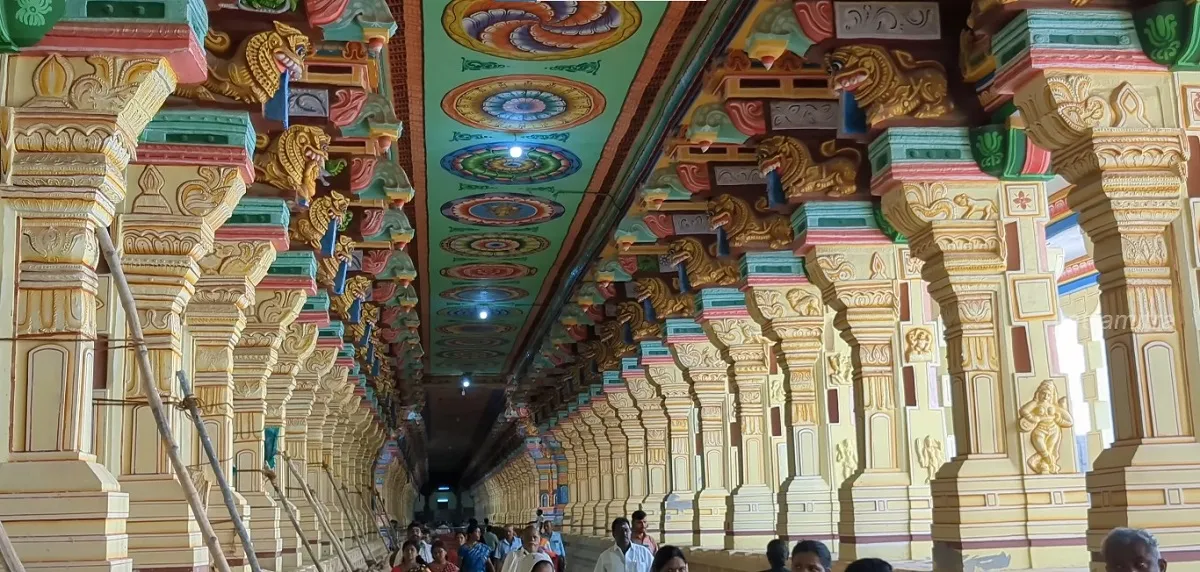
The Temple is popular for its unique location on the Island and its unique architecture, featuring the Dravidian style and the longest temple corridor in Asia.
The water wells, nearby bazaars, beach, sea shore, bridge, and famous Ram Setu are the main Highlights of the Rameshwar temple that attract devotees the most.
Beyond this, Rameshwaram food is famous for its south indian cuisine, such as dosa, vada, idli, filter coffee, seafood, and traditional sweets.
Rameshwaram Temple History
The history of Rameshwaram Jyotirlinga Temple is a mix of mythological origins, linked with the epic Mahabharata, and historic evolution over time by different dynasties.
Lord Shiva, locally known as Ramanathaswamy in the form of a cosmic lingam, is the primary god in Rameshwar. The primary shivalinga was made by Sita (wife of Lord Rama) out of sand and worshiped by Lord Rama to atone for the sins of killing Brahma, Demon Ravana.
The Rameshwaram temple is over 800 years old; the first stone structure was built by the Chola Kings of South India and King Parakramabahu of Sri Lanka in the 12th century. Lately expanded by the Pandeya dynasty.
Due to the immense wealth and resources, the temple faced destruction in its history. In the medieval period (around the 13th-14th century), the Rameshwar temple was destroyed and looted by Malik Kafur, the general of the Delhi Sultanate ruler Allaudin Khilji.
After the destruction, the temple was reconstructed by dedicated rulers. The modern architecture that pilgrims visit today was rebuilt by the Sethipulam rulers of the Ramathapuram region, where the temple is situated, between the 15th and 17th centuries.
King Mathumalinga Sethupati is credited with building the vast and world-famous corridor featuring over 1,212 granite walls with intricate carvings.
Today, the temple activity and pilgrimage are managed by the local administrative body of the state government of Tamil Nadu.
Ramanathaswamy Temple Architecture
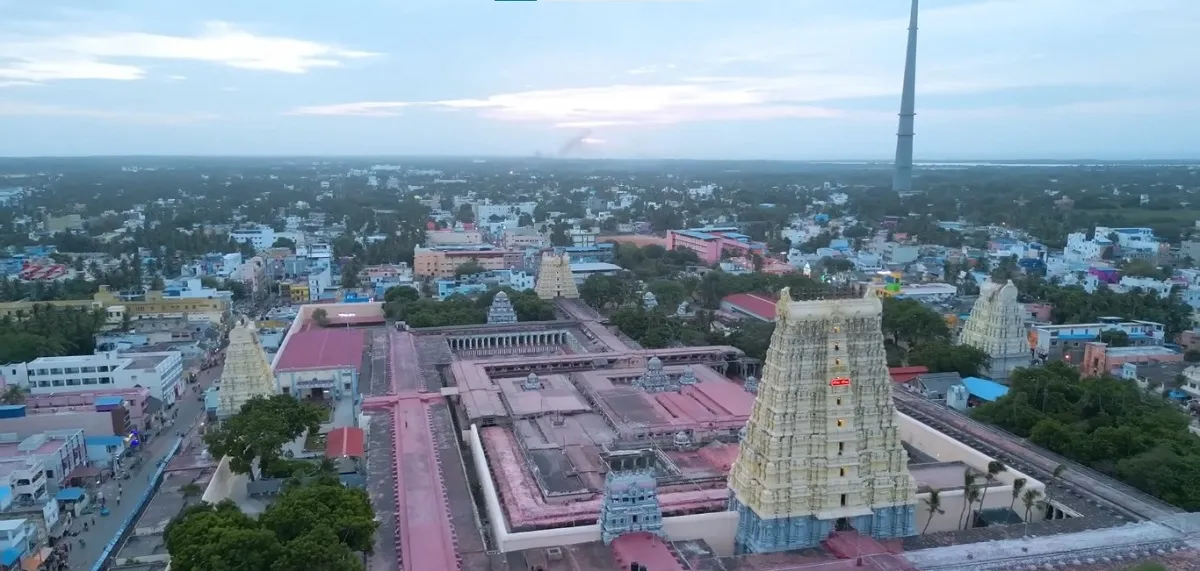
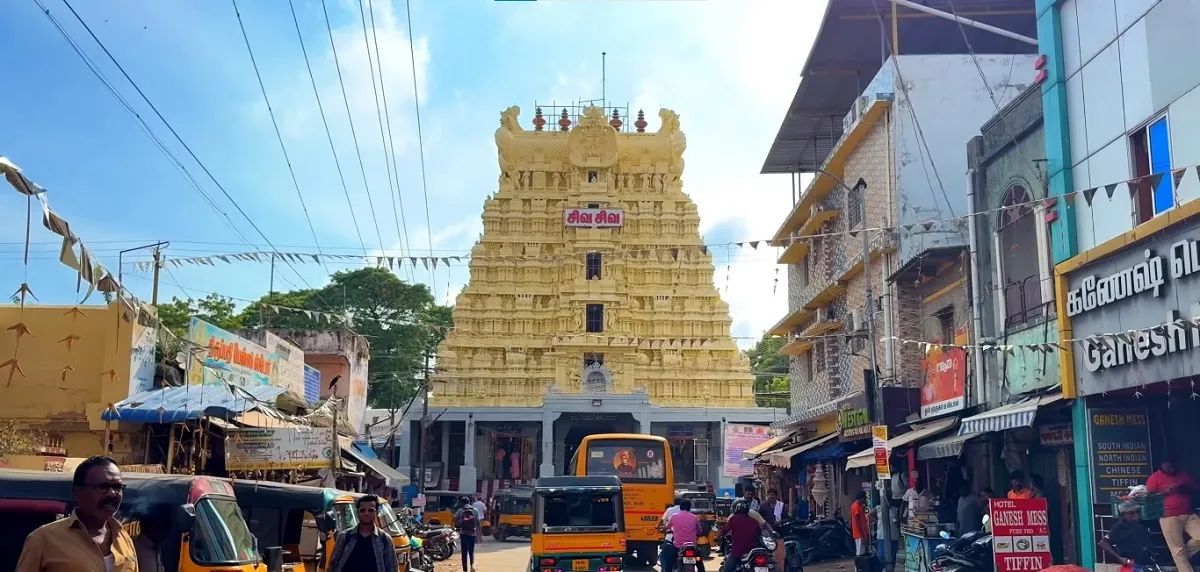
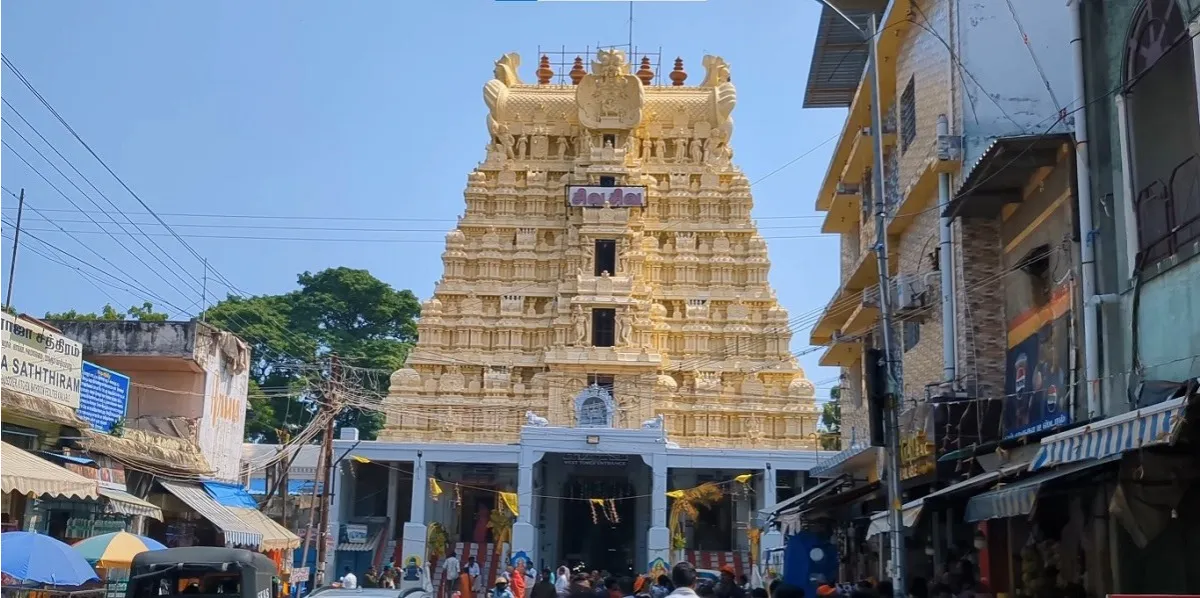
The Ramanathaswamy temple was built in the classic Dravidian architectural style. Spanning over 15 acres, it features a massive world’s longest corridor and towering Gopeshwar.
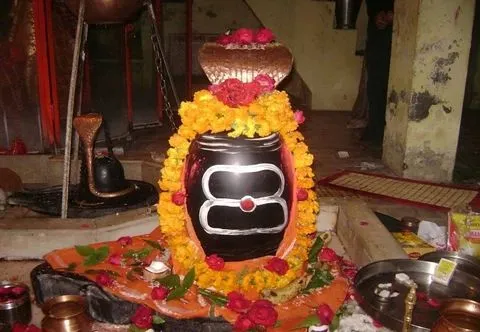
The inner sanctum houses two shivlingas: one called the Rameshwaram lingam, installed by Lord Rama, and the other is the Vishwalingam, carried by Lord Hanuman from Kashi Vishawanath.
Inside the premises, there are 22 holy tanks, considered highly auspicious due to ancient hydraulic knowledge.
Also Read: Kashi Vishwanath Temple History
Rameshwaram Story & Mythological Significance
The mythology behind the Rameshwaram temple story is centered on the epic Ramayana. According to the Yudha Khand of the Ramayan, Lord Rama had sought Lord Shiva’s forgiveness to atone for the sins of killing Ravana, who was a great devotee of Lord Shiva.
But there is no temple or Shiva linga near the Island, that’s why he sent Lord Hanuman to Mount Kailash to bring the Shivling. But due to the scarcity of time, he could not wait, so Goddess Sita made a Shivlinga with sea sands so that Lord Rama could worship at that time.
This legend gave a unique name to Lord Shiva, “Rameshwar”, and the lingam called Ramalingam.
When Lord Hanuman returned along with Vishwalingam, he saw that Shivlinga was already established and got upset. Then, Rama, to console Lord Hanumana, announced devotees must worship first Vishwalingam, then Ramalingam, a tradition that follows strictly today.
Is Rameshwaram one of 12 Jyotirlinga?
Yes, the Rameshwaram Jyotirlinga in Rameshwaram Temple is one of the 12 Jyotirlingas in India because of Lord Rama’s devotion to Lord Shiva.
As he consecrated the Shivalinga at this sacred site, he insisted to Lord Shiva that he would stay here permanently to promote human dignity and welfare.
Upon his request, Shiva appeared here in cosmic pillar form, leading to the foundation of the southernmost Jyotirlinga.
What are the rules for Rameshwaram temple?
To maintain the sanctity of the holy site, Rameshwar temple strictly adheres to rules, dress code, prohibited items, and bathing rituals.
Below are Dos and Don’ts for the Rameshwar temple that every pilgrim should follow.
Do’s
- Follow traditional dress code: Dhotis & shirts for men and Sarees or salwar kameez for women. Make sure to cover legs and shoulders properly.
- Perform Bathing rituals in Agniteerthams and 22 Holy Wells
- Carry extra clothes if you want to perform these rituals
- Cover your head while visiting the temple for darshan
- Respect the site rituals and traditions
Don’ts
- Avoid short skirts & off-the-shoulder clothes
- Do not enter the temple in wet clothes
- Keep leather items like a belt and a wallet outside the temple
- Phones & cameras are strictly prohibited inside the temple, so keep it lock into your hotel rooms
- Do not wear shoes and sandals in the mandapam; leave them at nearby shoe stands
- Do not push pilgrims in the darshan queue; wait patiently for your darshan turn
Can we touch Rameshwaram Jyotirlinga?
No, General devotees do not touch the Rameshwaram Shivling due to strict Agama traditions of South Indian temples. Only the head priest and trained priests are allowed to touch the deity and perform rituals like Abhishek and Pujas. Devotees can get Shringar Darshan at the designated area outside the sanctum.
Rameshwaram Temple Timings
The Ramanathaswamy temple follows a strict schedule of Aarti and Darshan timings. The temple opens from 5:00 AM to 9:00 PM daily, with an afternoon break from 1:00 PM to 3:00 PM.
- Rameshwaram temple opening time: Around 5:00 AM, the temple kapat opens for Darshan.
- Rameshwaram temple closing time: At 9:00 PM, the temple gate closes, concluding with Shayan Aarti.
Rameshwaram Temple Darshan Timings
The Rameshwaram Jyotirlinga Darshan timings are categorized into morning and evening darshan slots, general and paid darshan schedules.
- Rameshwaram Mani Darshan Timings: From 5:00 AM to 6:00 AM, devotees demand highly and pay to get a crystal clear view of the spatika lingam.
- Morning Darshan: 5:00 AM to 1:00 PM
- Morning timing of 22 tirtham bath: 5:30 AM to 12:30 AM
- Afternoon Break: 1:00 PM to 3:00 PM
- Evening Darshan: 3:00 PM to 9:00 PM
- Evening Bathing time: 3:30 PM to 8:30 PM
Note: You can get Rameshwaram live darshan through the site “livedarshanhub.com.”
Rameshwar Temple Aarti/Puja Timings
- Palliyarai Deepa Aradhana (Morning): 5:00 AM
- Spatikalinga Deepa Aradhana (Mani): 5:10 AM
- Thiruvananthal Deepa Aradhana: 5:45 AM
- Vila Pooja: 7:00 AM
- Kalasanthi Pooja: 10:00 AM
- Uchikala Pooja (Midday Aarti): 12:00 PM
- Sayaratcha Pooja (Evening Aarti): 6:00 PM
- Arthajama Pooja: 8:30 PM
- Palliyarai Pooja: 8:45 PM
Rameshwaram Darshan Booking & Ticket Price
General darshan at Ramanathaswamy temple is free for all pilgrims. Also, VIP Darshan is available for a quicker Darshan experience, but it requires booking a ticket through the counter.
Types of Puja and Darshan Booking available with ticket price:
| Puja/Darshan type | Price |
| General Darshan | Free |
| VIP Darshan | ₹100 to ₹200 per ticket |
| Mani/Spatika Lingam darshan fee | ₹50 to ₹100 per person |
| Holy bath ticket price in 22 wells | ₹25 to ₹50 per person |
| Abhishek Puja | ₹1500 to ₹3000 per person |
- Rameshwaram Darshan online booking: To book services like Spatika Shivalinga Darshan and Spatika Lingam Darshan and rituals like RudraAbhishek Puja, visit the official portal of Ramanathswamy temple.
Alternatively, you can also check the availability of VIP Darshan tickets at the temple trust counter near the temple.
Best Hotels in Rameshwaram Temple
Hotels in Rameshwar temple range from budget-friendly stays to premium resorts. Travellers can choose their stay as per their budget and comfort.
There are many of the best hotels in Rameshwaram near Temple, with AC and Non-AC rooms, parking facilities, and basic amenities in various price ranges.
Below are some of the best stays in Rameshwaram near the temple:
- Maheswari Bhakt Niwas
- Deshsthanam Rest house
- Hotel Rameshwaram Grand
- Daiwik Hotels Rameshwaram
- Hotel Ambika Lodge
- Saratha yatri Niwas
- Agrasen Bhawan (Dharamshala)
Note: Check the price and booking details directly from the site. Government guest houses are based on first-come, first-served.
Best Time To Visit Rameshwaram Temple
The best time to visit Rameshwar is from October to March during the winter months when the weather is pleasant, and visibility is good, an ideal time for darshan and exploration.
The Temple remains open all year round; choosing the right time depends on you. Below is a table of Rameshwaram weather and temperature, with information for better understanding.
| Season | Weather conditions | Temperature | Darshan experience & best suited for |
| Winter (October to March) | Pleasant and comfortable weather | 20°C to 30°C | Best time for overall, but peak rush due to the festival atmosphere |
| Summer (April to June) | Severe heat and humidity | 25°C to 40°C | Budget travelers, offering peaceful darshan timings |
| Monsoon (July to September) | Rainfall with green and humid landscapes | 28°C to 35°C | Solitude experience seekers |
When not to visit Rameshwaram?
Avoid the summer months (April to June) and the monsoon (July to August) to visit Rameshwar Jyotirlinga. Summer is not ideal due to scorching heat and high humidity, while monsoon brings heavy downpours, which disrupt travel and make it a less ideal time for darshan and outdoor activities.
Places To Visit Near Rameshwaram
Places to explore near the Rameshwar temple are a mix of iconic landmarks, holy sites, and scenic landscapes. Below are some places to visit in Rameshwaram that offer profound experiences.
- Dhansuhkodi: Roughly around 18 km from Ramanathaswamy temple, this ghost town is a southern most of Pamban Island, where the large water bodies, the Bay of Bengal and the Indian ocean emerge. Featuring scenic viewpoints of the coastal site.
- 22 Holy Theerthams: The Ramnathswamy temple corridor houses 22 holy wells, which represent the arrow of Lord Rama’s Dhanush. Considered highly revered due to its healing properties in its water, taking a bath in it core part of pilgrimage.
- Pamban Bridge: Located just 15 km away from the main temple, this iconic bride featuring for its unique engineering marvels that connect the Holy Ramesharam Island to the mainland.
- Panch Mukhi Hanuman temple: A revered temple dedicated to Lord Hanuman, just 2 km away from the main shrine. It is famous for its two iconic floating stones in Rameshwaram, known as the Setu Bandhanam, used to build the Ram Setu bridge.
- Dr. ABJ Abdul Kalam National Memorial: A great cultural site, famous as a resting place of the legendary ABdul Kalam Shahab. Showcases via the replicas of missiles and beautiful artwork are good for students.
- Gandhamadhana Temple: Located just 3 km from Ramanathaswamy, it is also known as Ram Padam temple, situated on the high hills of the Gandhamadhana peaks, believed to be the place that houses the footprints of Lord Rama during his visit to this region.
Things To Do In Rameshwaram
- Water sports in Rameshwaram: Beaches in Rameshwaram, such as Dhanushkodi and Ariyaman beach, offer great opportunities for windsurfing, boating, and Parasailing.
- Kund snan: Take a holy dip at Agniteertham, and 22 Holy kunds inside the main temple hold importance due to their healing property it its water.
- Darshan at Ramanathaswamy temple: Witnessing two Shivlingas in the temple is such a devotional experience.
- Visit the Dr. Abdul Kalam Memorial: You can witness a large statue of the legendary scientist Kalam Sahab and replicas of miscellany.
- Explore the local market: Visit some markets and try local food near the temple areas for an immersive experience.

How To Reach Rameshwaram Temple
You can travel by air, train, or road to reach the Shri Arulmigu Ramanathaswamy temple, but there is no direct air or train connectivity to the site itself.
By Air (Fastest overall): The town doesn’t have its own commercial airport; the nearest airport to the temple is Madurai International Airport, which is around 180 km away.
This airport has great connectivity to cities like Mumbai, Delhi, and Chennai. From the airport, you can hire a private taxi or take a local bus to the Rameshwaram bus stand.
By Train (Economical): Rameshwaram railway station is the nearest railway station to the temple, located roughly 2 km away and connected to cities like Chennai and Madurai.
Madurai Junction is another reliable railhead with connectivity to Delhi, Chennai, Mumbai, and Rameshwaram too. From the railway station, you can take a bus or taxi to reach the site.
By Road: Rameswaram is connected via the NH-49 route. Buses are available from Chennai and Madurai to the Rameshwar Bus Stand.
Well, for the travelers planning from Delhi, they can fly to Madurai airport or take a train to Madurai Junction and then follow a road journey via taxi or bus.
Conclusion
So a visit to Shri Ramanathaswamy temple is a great experience in itself, providing enrich spiritual experience to devotees and to the site, which is famous for its iconic legends and significance.
The Rameshwar Temple also attracts global visitors due to its longest and most extraordinary corridor featuring a twin lingam, a large statue of Nandi, and the sacred thirthams where deities take a holy dip to cleanse their sins and heal their body and mind.
Due to the dual status of being one of the 12 Jyotirlinga and Char Dham circuits, Shri Rameshwaram Jyotirlinga is a vital hub for both Vaishnavites (devotees of Lord Vishnu) and Shaivites (devotees of Shiva).
FAQs
Is Ramanathaswamy Temple and Rameshwaram Temple the same?
Yes, they are both in the same place. The Ramnathaswamy temple is the original name of the site dedicated to Lord Shiva, one of the 12 Jyotirlingas and the Char Dham Pilgrimage. Due to its unique location on a Rameshwaram island, the temple is also known as the Rameshwaram temple.
What is special about the Rameshwaram temple?
The specialty of Rameshwar Temple lies in its significance as the core site of the Char Dham Pilgrimage and unique architecture featuring grand corridors, twin shivlingas, and massive holy tirthams. It’s mytholigical link with the epic Ramayana adds another point to its specialty.
Is there two Shivling in Rameshwaram?
Yes, there are two shivalings in Rameshwar Temple, situated inside the main sanctum (Garbhagriha) of the Ramanathaswamy Temple. One is known as Ramalingam, houses the main deity, and is established byLord rama and made by Sita with sand from the seaside. The second one is Vishwalingam, brought by Lord Hanuman, which is also known as Hanuman lingam.
What to see inside Rameshwaram temple?
The Ramanathway temple in Rameshawaram is widely renowned for its massive Dravadian architecture. Inside the temple, you can see the twin lingams, massive corridors, 22 sacred water wells, a 17-foot-tall statue of Nandi (vehicle of Lord Shiva), and stone carvings on massive walls.
What is the 22 bath at Rameshwaram?
The 22 Bath wells at Rameshwaram are sacred water tanks located inside the main temple corridor, considered high revered site for spiritual bathing that is renowned for its natural healing properties. Devotees usually take a holy bath before entering the temple.
Why is Rameshwaram in 4 Dham?
Rameshwaram is one of the Char Dham pilgrimage circuits due to its link with the epic Ramayana and significance as a site that brings salvation.
Which city is close to Rameshwaram?
Mandapam, around 21 km away, and Ramanathapuram, around 54 km away, are two nearby towns to Rameshwar.
How to reach Rameshwaram from Delhi?
To reach Rameshwaram from Delhi, you can travel by air or train and combine it with a road journey, as a trip from Delhi to Rameshwaram covers roughly 2500 km, so you can take a flight from Delhi to Madurai Airport or a train to Madurai Junction. From the airport/railway station, take a bus or taxi to Rameshwaram Bus Stand, which is just near the temple.
- Flight ticket price: ₹8,000-₹10,000
- Train ticket price: ₹800-₹4,500
What is famous in Rameshwaram for shopping?
Some famous items to buy in Rameshwaram are Pure silk sarees, seashell home decor items, and replicas of Spatikalinga, and spiritual items like Rudraksha beads and Shanka.
Is 2 days enough for Rameshwaram?
Yes, two days are enough for Rameshwaram; you can cover the main pilgrimage site and nearby sightseeing like Dr. Abdul Kalam Museum and beaches like Agniteertham and Dhanushkodi, but a traveler from Delhi, the trip to Rameshwar can take around 6-8 days, including travel days and darshan, exploration.

Partiksha is a dedicated travel content writer with over 5 years of experience in exploring various destinations in India. From mountains, beaches, treks, to spiritual sites, she believes in sharing experiences through creative storytelling, publishing travel guides, and engaging blogs.
She holds the technique to embrace cultures, stories, mythologies, and various experiences to engage with travellers. With an eye for aesthetics, Partiksha has crafted content that motivates travellers to explore beyond the ordinary itineraries. She doesn’t just write content, but makes it relate to the audience and helps them find what they are looking for.
Her expertise is not limited to writing content, but she also does travel blogging, destination reviews, SEO-friendly travel writing, and creative storytelling that reflects both value and authenticity. She believes that every travel destination has a story worth sharing, which helps to connect people with a place. To make your every visit memorable, she continues to do it through her expertise.



Comments (2)