
Introduction
Shri Narsingh Temple, Joshimath, is a hidden spiritual treasure in the Chamoli District of Uttarakhand. Dedicated to Lord Narsingh, or Narasimha (half-man and half-lion), the fourth incarnation of Lord Vishnu.
This ancient shrine holds great spiritual importance as part of the 108 Divya Desam and its association with the Char Dham or Do Dham Yatra. It is also widely popular for its mysterious prophecy and role in serving as the winter abode of the sacred Shri Badrinath Temple.
In this blog, we will discuss everything about the Narsingh Temple in Joshimath, including its location, history, significance, darshan timings, and more for a safe and memorable trip.
Quick Facts About Narsimha Temple Near Badrinath
- Location: Joshimath, Chamoli district of Uttarakhand
- Altitude: 1,875 meters (6,156 feet)
- Deity: Lord Narsingh (one of the sacred avatars of Lord Vishnu)
- Significance: One of the 108 Divya Desam & the winter abode of Lord Badrinath
- Temple Timings: 6:00 AM to 7:00 PM for darshan
- Best time to visit: April to June & September to November
- Accessibility: Easy to reach by walking from Joshimath Bus Stand
- Nearest Railhead: Haridwar (HW) & Rishikesh (YRNK)
- Nearest Airport: Jolly Grant Airport in Dehradun
Where is Narsingh Temple located?
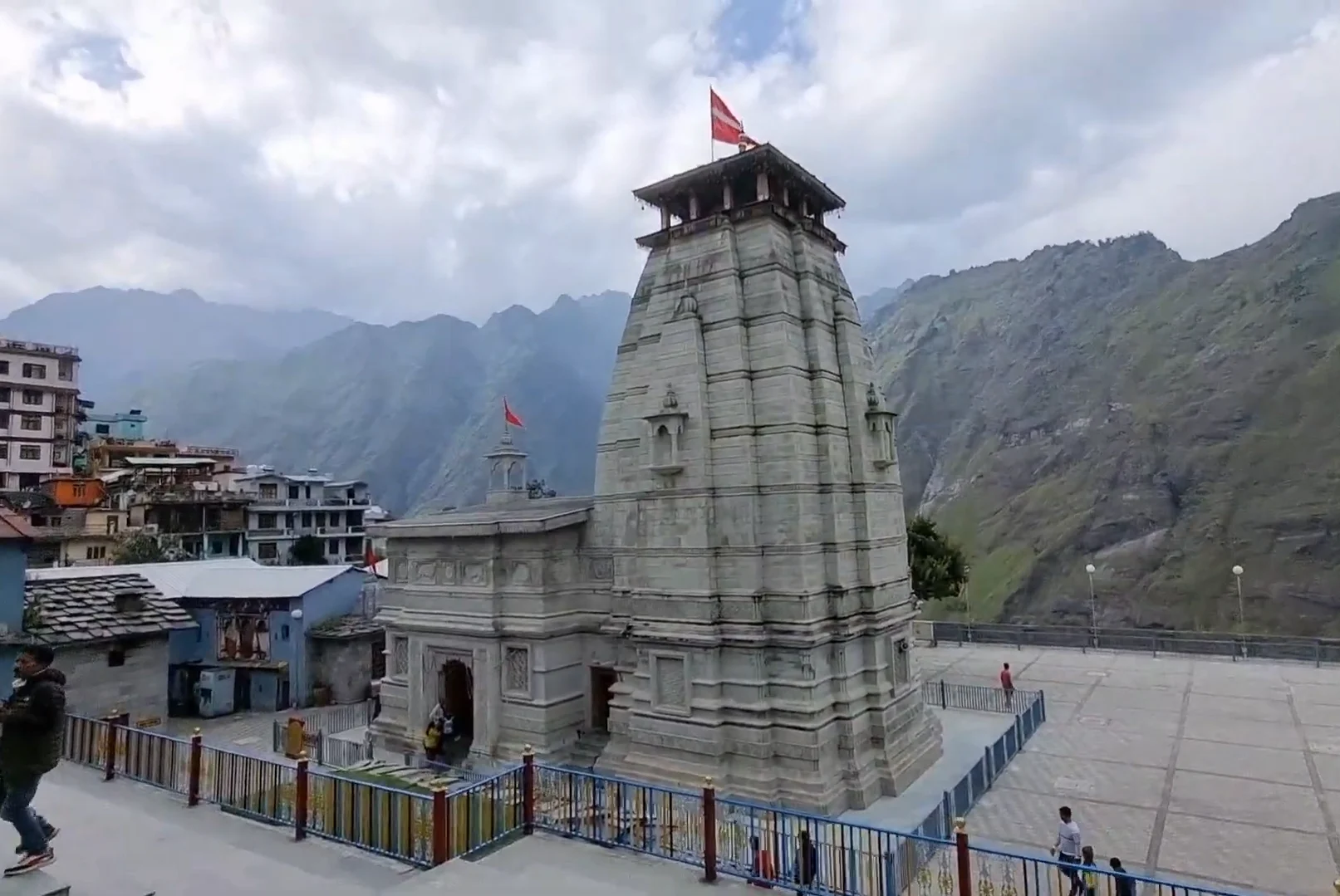
The Nar Singh Temple is located in the lower market area of Joshimath, in the Chamoli district of Uttarakhand. Situated at an altitude of 6,156 feet (1,856 meters) and surrounded by snow-capped peaks. It lies on the Badrinath temple route, serving as a crucial stopping point for pilgrims.
Narsingh Temple History
Nar Singh Devta Temple is a historic site dedicated to Lord Vishnu, who resides here in his unique form. It is believed that Adi Shankaracharya, the founder of this temple, found and installed the idol of God Narsimha in the 8th century.
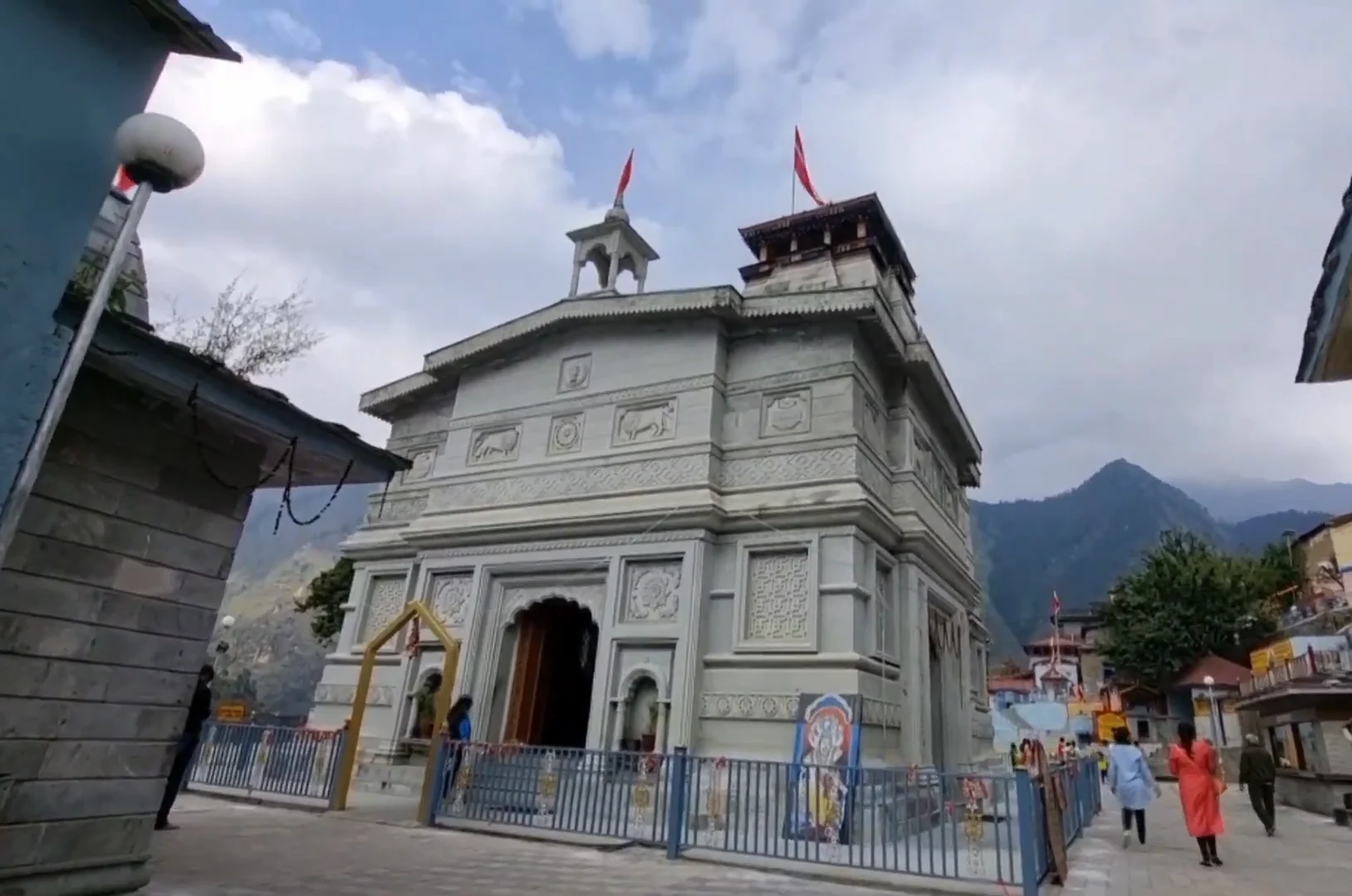
Featuring traditional Nagara-style architecture, it was built of grey granite and adorned with intricate wall carvings. The establishment of the current 25-cm-tall idol of Lord Narsingh is credited to the 8th-century King Lalit Muktapida.
What is the Story of Narsingh Temple in Joshimath?
The story of the Narsingh Temple is about a powerful divine manifestation with the physical idol of Lord Narsingh. According to the divine legend, the left arm of the Lord Narsimha idol is shivering and is gradually thinning day by day, and one day, when this arm completely breaks and falls off, a landslide will strike in this region.
The Nar Narayan mountains will collapse and destroy the route to the main Badrinath Temple, and Lord Vishnu will appear in the Bhavishya Badri temple located just 18-20 km away from this temple.
Significance of Narsimha Temple, Joshimath
Narsingh Temple in Joshimath holds great spiritual and religious importance as the winter seat of Lord Badrinath, making it one of the famous places to visit near Badrinath. During the winter season, when heavy snowfall makes the main Badrinath temple inaccessible, its priests bring the deity to the Narsingh Temple.
The worship of Lord Badrinath took place here, along with Lord Narsingh, for the next six months, till the reopening of the Badrinath temple in summer.
Beyond this legend, the site is associated with the spiritual legacy of sage Adi Shankaracharya, who established the town as the Uttaramnaya Math, one of the four cardinal institutions in Hinduism.
Seeking the blessings of Lord Narsimha is highly auspicious, as he is the ultimate protector of Dharma, the destroyer of evil, and the saviour of his devotees.
Mythological Story of Narsingh Temple
According to local legends, there was a King Vasudev Katyuri, who ruled the region, including Joshimath. Once, when he was away, Lord Narsimha visited his palace as an ordinary man. The queen welcomed him as a guest with great respect and hospitality.
After being fed, he was resting in the King’s chamber. When the king returned and found an unknown man in his chamber, he got furious and drew his sword and struck the guest’s arm.
But the miracle was: instead of blood, he found milk flowing from the guest’s arm; he was stunned. He realised that the man was not just an ordinary guest but the god himself. The king begged Lord Narsimha to forgive him; then Narsimha appeared and blessed the king.
Now the shrinking arm of Lord Narsimha in the Joshimath Temple stands as evidence of the story.
How To Reach Narsingh Temple, Joshimath?
Reaching Narsingh Temple, Joshimath, involves travelling in two stages: First, travelling to the nearest transit hubs in Uttarakhand (Dehradun, Rishikesh, and Haridwar) and then a long road trip to the last motorable point. There is no direct air or train connectivity to Joshimath.
Step 1: Reach Dehradun/Haridwar/Rishikesh
- By Air: If you travel from a far city like Mumbai or Bangalore, then travelling by air is the most convenient way to travel. Take a flight to the nearest airport, Jolly Grant Airport in Dehradun, around 270 km from Joshimath.
- By Train: The most economical way to travel is to take a train to Yog Nagri Rishikesh Railway station (around 246 km) or Haridwar Junction (270 km), which are major transit hubs that have great connectivity from all major indian cities, like Delhi, Mumbai, and Jaipur.
- By Road: You can reach Haridwar or Rishikesh by self-driving or by taking a bus from ISBT Kashmiri Gate to Haridwar/Rishikesh.
Step 2: Travel To Joshimath
After reaching the base cities, road travel is the only option. Joshimath has great road connectivity; you can simply take a local bus or hire a private taxi from Haridwar or Rishikesh to Joshimath.
- Route: The journey follows the NH-7 route, passing via—
Haridwar → Rishikesh → Devprayag → Srinagar → Rudraprayag → Karnaprayag → Chamoli → Joshimath
- Travel Distance: 250-270 km from Rishikesh & Haridwar
- Travel Time: 8-12 hours
Final Step: Joshimath to Narsingh Temple
Once you reach Joshimath Bus Stand, you don’t need any vehicle. The temple is located in the lower market area, around 500 meters from the bus stand. You can walk down to reach the site. Also, local rickshaws are available at the bus stand if you have heavy luggage or want to skip walking.
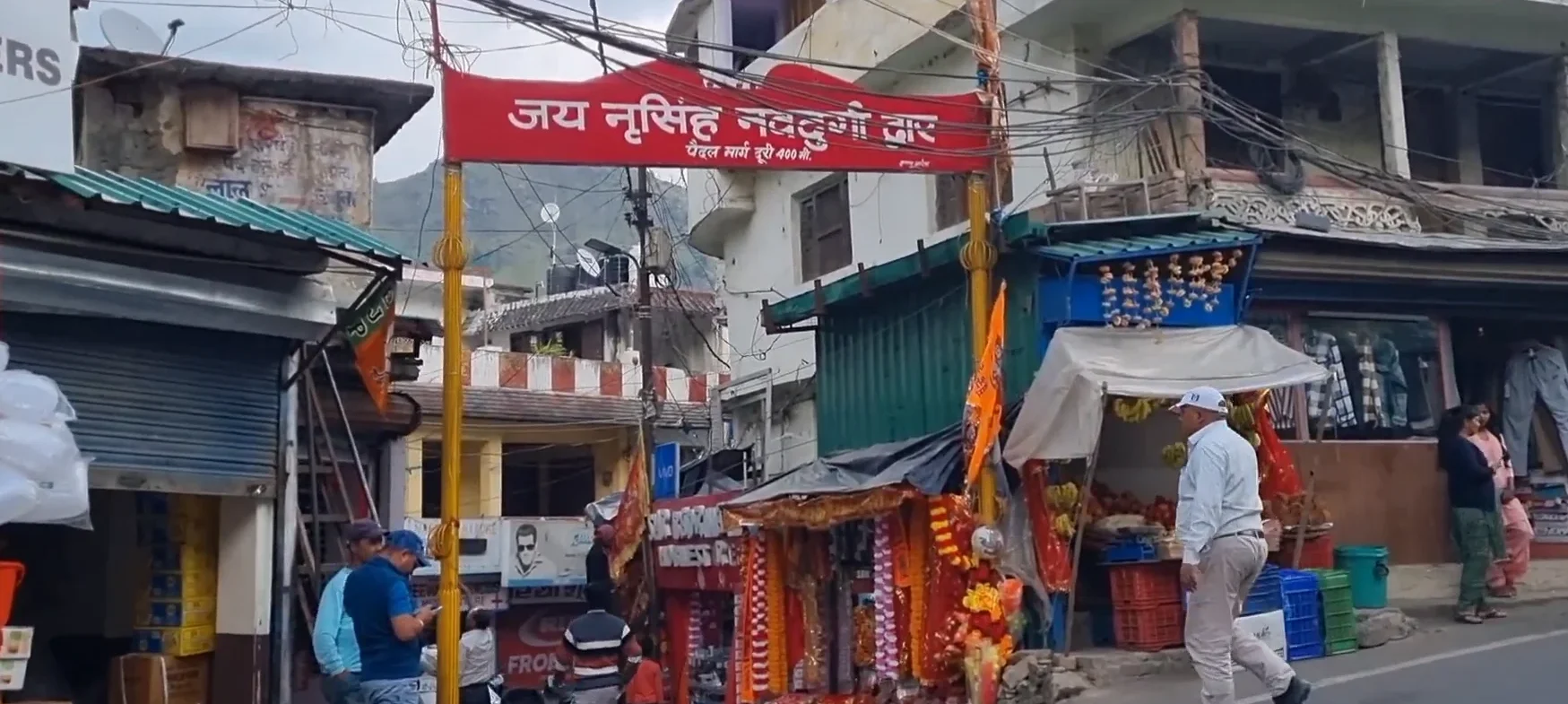
Note: Reaching Joshimath Narsingh Temple follows the same route as the Badrinath route. Mostly, travellers visit this holy shrine during their Badrinath Yatra.
For more details, read our blog on how to reach Badrinath Dham.
Best Time To Visit Narsingh Temple
Generally, the visiting season for Narsingh Temple in Joshimath aligns with the best time to visit Badrinath, which is from April to June and September to November.
The period offers stable weather, a pleasant climate, and accessible trails, making it a good time for spiritual exploration. While even in winter, the temple is accessible and holds great importance for the special winter worship of Lord Badrinath.
Weather & Temperature Overview
Choosing the best time to visit depends on what kind of experience you want. Here is a seasonal breakdown of Joshimath weather to help you choose the right time to visit.
| Season (Months) | Temperature | Weather Conditions | Best Time to Visit |
| Summer (April to June) | 10°C to 22°C | Pleasant weather, clear skies, and comfortable temperatures | ⭐ Excellent |
| Monsoon (July to August) | 12°C to 20°C | Heavy rainfall, high humidity, and occasional landslides | ❌ Avoid |
| Autumn (September to November) | 8°C to 18°C | Pleasant weather, dry conditions, and clear Himalayan views | ⭐ Best Time |
| Winter (December to March) | -2°C to 12°C | Very cold weather with occasional snowfall in nearby areas | ✅ Good |
Narsingh Temple, Joshimath Timings
Like the many famous Uttarakhand temples in this region, the Narsingh Temple also follows a strict schedule of daily darshan and Aarti timings. Generally, the temple opens from 6:00 AM to 8:00 PM for daily darshan.
| Event | Timing |
| Kapat Opening | At 5:30 AM |
| Morning Aarti | 6:00 AM |
| Morning Darshan | 6:30:00 AM to 12:00 PM |
| Afternoon Break | 12:00 PM to 4:00 PM |
| Evening Darshan | 4:00 PM to 7:30 PM |
| Evening Aarti | At 7:30 PM |
| Kapat Closing | 8:00 PM |
Note: Timing can vary by season or during festive days.
Pro tip for Darshan: For a peaceful darshan experience, visit in the morning (6:00 AM to 9:00 AM) and to witness the unique Abhishek ritual, plan your visit between 7:30 AM and 8:30 AM
Nearby Attractions To Joshimath Narsingh Temple
Top attractions near this famous temple in Joshimath include the historic Shankaracharya Math, Kalpavriksha, scenic Vishnuprayag Sangam, sacred Badrinath Temple, Bhavishya Badri, and more across the Chamoli district.
Know the famous places in Joshimath near Narsingh Temple:
- Shankaracharya Math: It’s one of the four revered monasteries, established by Adi Shankaracharya in the 8th century. It features the historic Jyoteshwar Mahadev temple and Shankaracharya cave, where the sage meditated. It is just 3 Km from the Narsimha temple and accessible by walking or rickshaw. Shankaracharya Math is ideal for deep spiritual seekers looking for a better understanding of Sanatan Dharma.
- Kalpavriskha: A 1200-year-old mulberry tree located just near the math. A wish-fulfilling tree tied to ancient Indian Philosophy attracts devotees across India. It is located in the compound of the Jyoteshwar Mahadev Temple complex near the Narsimha temple.
- Auli: Auli is a scenic hill station famous for its alpine meadows and massive views of Mt. Nanda Devi. It is famous as the premier skiing capital of India and is accessible by Auli ropeway or by road from Joshimath. Also, Auli is just a distance of 12 kms from Joshimath and is perfect for nature lovers and couples.
- Tapovan Hot Springs: A serene and scenic spot known for its sulfur-rich hot springs and step-farming vistas, an ideal spot for sightseeing. It is located at a distance of about 18 Kms and can be reached only by private taxi. It is perfect for nature explorers and youth who are willing to see some natural miracles.
- Bhavishya Badri: Located around 17-18 km from the main town, Bhavishya Badri temple is a sacred site, one of the Sapt Badri circuit. Surrounded by Dense oak forest, it is particularly divine to become the future home of Lord Badrinath.
- Badrinath Temple: Located around 45 km away, the Badrinath Temple is one of the Char Dham pilgrimage circuits, dedicated to Lord Vishnu. Holds great spiritual significance in Hinduism.
Facts About Narsingh Mandir, Joshimath
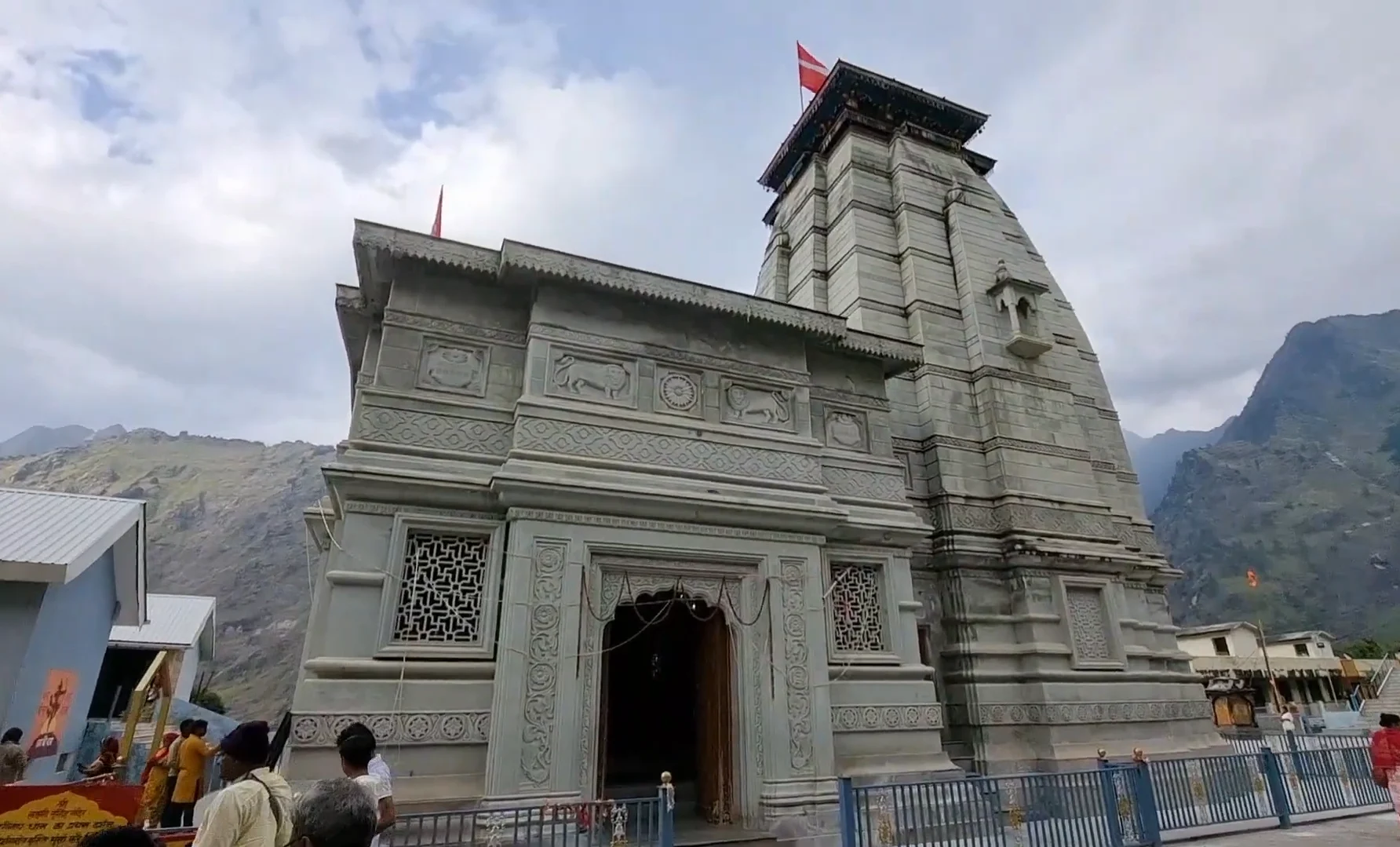
- Winter Abode of Badrinath: During the six months of winter closure of Badrinath, it serves as the winter seat of Lord Badrinath.
- Connected to Adi Shankaracharya: The temple is associated with Adi Shankaracharya’s intimate spiritual legacy.
- Sinking Arm: The left arm of the deity here is said to be sinking gradually, and believed that when the arm breaks, the Nar Narayan mountains will collapse and make the route to Badrinath inaccessible.
- Future Prediction: The worship of Badrinath will shift to Bhavishya Badri once the arm shrinks.
- Shaligram Idol: The idol of Narsimha is made with a powerful stone of shaligram.
- Milk Over Blood: A king once mistakenly struck a divine visitor’s arm with his sword. Instead of blood, milk flowed from the wound, revealing the visitor to be Lord Narasimha. The shrinking wrist is linked to this legend.
Travel Tips for Visitors
- Carry warm clothes whenever you visit, as the weather remains cold here throughout the year.
- Check Road conditions before travel and avoid night travel on mountain trails.
- Combine your visit with the Badrinath Yatra or the Auli.
- Plan a buffer day for weather delays or a comfortable visit.
- Respect local traditions and follow photography etiquette.
Conclusion
Narsingh Temple Joshimath, is a powerful symbol of divine faith and the timeless spiritual heritage of Uttarakhand. It plays a vital role in the Char Dham circuit ceremoniously, and the rituals of winter worship of Lord Badrinath take place here when the main Badrinath temple is inaccessible due to snowfall.
It’s a divine connection with Adi Shankaracharya (who established this shrine) and the link of divine prophecy of the shivering arm; every aspect of the Narsingh Temple offers a unique blend of devotion and mythology.
So whether you are travelling to Badrinath or exploring the Hidden gems of Uttarakhand, visiting here brings you close to divinity.
FAQs
Which temple is famous in Joshimath?
The Narsingh Mandir is a famous temple in Joshimath, located in the lower market area of the town. Dedicated to lord Narsingh, the fourth incarnation of Lord Vishnu (as half-man and half-lion), widely known as the winter seat of the Badrinath temple.
What is the significance of Narsingh Temple in Joshimath?
The significance of the Narsingh Temple in Joshimath is tied to its historical origin, believed to have been established by Adi Shankaracharya, associated with the local prediction of Lord Narsimha’s shivering hand, which is gradually thinning day by day, and when it completely breaks, a landslide will be triggered in this region, leading to the destruction of the Badrinath temple route. After this event, Lord Badrinath reappeared at Bhavishya Badri. It is also famous for serving as a winter abode of the Badrinath temple.
Who is the Narasimha idol at Joshimath?
Narsimha is the fourth incarnation of Lord Vishnu, resembling a half-man and half-lion. The idol of Lord Narsimha is 25 cm tall, featuring a shrinking arm linked with a prophetic legend regarding Badrinath and Bhavishya Badri Temple.
What is Narsingh famous for?
Lord Narsingh is famous as Narsimha, a man with a lion’s face. He is the fourth incarnation of Lord Vishnu. Lord Narsimha is a half-man and half-lion, with a fierce personality, believed to protect and safeguard his devotees from evil.

Partiksha is a dedicated travel content writer with over 5 years of experience in exploring various destinations in India. From mountains, beaches, treks, to spiritual sites, she believes in sharing experiences through creative storytelling, publishing travel guides, and engaging blogs.
She holds the technique to embrace cultures, stories, mythologies, and various experiences to engage with travellers. With an eye for aesthetics, Partiksha has crafted content that motivates travellers to explore beyond the ordinary itineraries. She doesn’t just write content, but makes it relate to the audience and helps them find what they are looking for.
Her expertise is not limited to writing content, but she also does travel blogging, destination reviews, SEO-friendly travel writing, and creative storytelling that reflects both value and authenticity. She believes that every travel destination has a story worth sharing, which helps to connect people with a place. To make your every visit memorable, she continues to do it through her expertise.



Comments (3)